16 August, 2010

Concert Review: Asian Youth Orchestra 2010

Concert Review: Asian Youth Orchestra 2010

As usual, there were 2 concerts in succession.

August 11, CCCH
Conductor: Richard Pontzious; Cello Soloist: Alban Gerhardt
All Strauss

Although I am not enamored of the conducting of Pontzious, I went for the Don Quixote. The orchestra played very well, and I think this incarnation is better than last year's in the winds and brass departments. For my taste, the big moments were too controlled and underplayed; youngsters should have fun with the cacophony! This made the piece a little too introspective and serious. Soloist Alban Gerhardt (he has an interesting website and a nice blog) was marvelous, coaxing a beautiful and refined tone from his cello. Most notable also was the lady viola soloist, who played sinuously, with phrasing that much belied her age. That was some of the best viola playing I have ever heard. During applause, Gerhardt nicely and generously gave her credit several times, outnumbering his token appreciation of the concertmaster and others. She deserved it. There was no encore.

I skipped the second half, as I am not fond of the Rosenkavalier waltzes (though I love the opera). And Don Juan needs a really great conductor to make it shine.

August 12, CCCH
Conductor: James Judd; Cello Soloist: Alban Gerhardt
Schumann-Mahler

This concert was better attended than the last. The Schumann cello concerto was beautifully played by Gerhardt, but the accompaniment was a little subdued; the reduced orchestra was probably not a great idea. Applause was plentiful and a sublime Bach encore was offered. Gerhardt's phrasing was totally natural and his variation of timber masterly, all the while maintaining the tempo. "Better than Rostropovich!", my friend said.

I had high expectations of James Judd, and he immediately showed his colors with the Mahler Symphony No. 5. The opening Funeral March and the ensuing movement were beautifully balanced and unfolded inexorably, with a momentum lacking in recent HKPO performances. The Adagietto was beautifully judged, never at the risk of lapsing into soap. The fly in the ointment was that the Scherzo and Rondo Finale that flanked it were a little too studied by half. A little more earthiness and wildness rather than refinement would have been welcome. Nonetheless, the finale was rousing. Overall the playing was marvelous and more even than last year. Gerhardt was playing in this piece in the cello section, sitting all the way back. What a thoughtful musician!

Appendix:

Here is what Gerhardt wrote about his experience with the AYO on his Blog:

"...Almost 25 years ago I joined the Federal Youth Orchestra of Germany (BJO) in which I played altogether for three years every summer, Easter and winter (and one extra session I don’t remember when). This absolutely changed my life as a musician because it brought me together with young people like me, talented and dedicated to music, different to the other kids in school, sometimes outsiders, but never really geeks or nerds. Playing music together in an orchestra after practising all these years on my own was mind-blowing, an experience so elevating that after the first session I just knew that I would not want to have any other profession than playing music, for the rest of my life. When I was asked to play five concerts with the Asian Youth Orchestra I agreed, first a bit half-heartedly because I wanted to provide real good summer holidays for my son János, but then nostalgia took over and I wanted to relive the time in a youth orchestra.

Two weeks ago we arrived in Hong Kong, Janos and me. The AYO had gracefully accepted inviting him along myself, and in these two weeks we absolutely had a blast together, playing concerts, travelling from Hong Kong to Shenzhen and Seoul for these five concerts, but also doing fun stuff like wind surfing in Cheung Chau, visiting the fun Ocean Park, beautifull located on the other side of Hong Kong island, shopping, playing games and in the pool, reading and just enjoying the wonderful food and restaurants in these Asian cities. But for me even more fulfilling was the artistic experience. With conductor (and friend) James Judd I performed three times the Schumann Concerto, participating twice in my fery first Mahler Symphony ever (No.5) in the second half, and with the founding conductor Richard Pontzious we did Richard Strauss’ Don Quixote, one of my all-time favorite orchestral works - always glad to play it, even though I find it harder than a “proper” cello concerto.

From the first rehearsal on I was amazed by the abiltiy of these youngsters from ten Asian countries to really listen to what I was doing, especially in the Schumann. At yesterdays last performance in Seoul I felt inspired to take as much freedom as I hardly ever do, because I knew they would be with me. For me the amount of freedom depends on the willingness and abilty of the people collaborating, because for me the most important goal is the over-all performance, not just my little part. I am play so freely that nobody can actually be (and feel) with me, it just feels (and sounds) wrong to me, and yesterday I felt I could do anything coming through my mind and the AYO and James would be there already! The Don Quixotte is obviously much less of a concerto, but even there we had some wonderful interaction and at certain passages we all were very spontaneous. I felt really sad leaving the orchestra last night, not because I did sooo much bonding with them (as I said, I was being mainly father and soloist, not too much time to share time with the other musicians, and much as I would have loved to), but because I enjoyed making music with them.

They will continue the tour to China and Japan with wonderful cellist Jian Wang taking over, and I am sure it will be a great experience for them doing the same pieces with another soloist who will bring his view and different ideas onto the stage. Janos and me are sitting at Hong Kong airport on our way to a five-day-escape to Phuket, Thailand, before school starts next week. Hopefully some more windsurfing there…."

p.s. The August 12 concert shall be broadcast on RTHK4 on August 20, at 8:00 pm, and repeated on August 25, at 2:00 pm. Catch it!

13 August, 2010

Dance: 雲門舞集 花語 Cloud Gate Whisper of Flowers

Dance: 雲門舞集 花語 Cloud Gate Whisper of Flowers

August 4, CCGT
雲門舞集 花語

lcsd 網頁官方網頁

關於這舞的背景,除了上面兩個官方網站外,網上有些值得看的資料, 我不用多寫。 先請看 排練的情況 (還有 這個這個 Blog)。至於這舞的評論,奇怪地卻不是很多, 可看看這一個較有詳細描述的 Blog.

我一向認定,大部分表演藝術,原創者用越多的文字去形容他的構思和靈感的泉源, 就是越牽強, 甚至於造作的。其實很多的文字都是後話,源於創作之後。

這舞說的是一種傷逝或壞死吧,但下半場的蛻變來得未免突然了點。上半場花中的歡愉,雖然有飃來的頭髮前來警示,仍是單純的,全體舞者青春自然,刹是好看。下半場就那麽搖身一變,複雜了, 花也全沒有了,舞者或在浮游, 或在掙扎, 在有自戀之嫌的大鏡裏自憐。這裡我要挑明,我不是一般的臺灣人,對林懷民-雲門沒有特殊的感情, 但看過一些。一向對他的編舞有保留,最不喜歡的是那種強說原始強說生命力的東西(如 九歌),最喜歡的是單純的表達, 如書法系列 (裏面也最多舞者的創作和奉獻)。

25 July, 2010

Concert Review: SZSO-Ehwald-Laloum

Concert Review: SZSO-Ehwald-Laloum

July 23, 2010, 深圳大劇院
深圳交響樂團-Christian Ehwald-Adam laloum
Brahms-Tchaikovsky

是日並沒暴雨,也沒大塞車,但觀衆仍然慢條斯理地遲到,令人厭煩。上半場是 Brahms 鋼琴協奏曲第二號,到了尾樂章時仍有人入席。

Adam Laloum 駝著背,看來弱不禁風,真的有點像 Francois-Frederic Guy。他 2009 年獲得 Clara Haskil 國際鋼琴大赛第一名(也看看這個 Blog),技術故然不差,但論力度卻不在強手之列。 第一樂章大家比較謹慎。聼得出 Laloum 細膩之處,但 Brahms 的激情就差了點。樂隊也只是不過不失, 缺點流暢。第二樂章開始漸入佳境, 有點火花; 第三樂章的大提琴獨奏異常吸引 (代理首席吳臻, 留意他很久了,是一個很好的樂手)。整體上, 是一個好演繹,但欠缺了生動的舞曲感,沒臻先前 Brahms 的最高水準,也再一次印證鋼琴協奏曲第二號是難度特高的曲子, 對獨奏和樂隊都是最高的挑戰。Encore 是 Brahms 的 Intermezzo Op 117 之一, 彈的很慢,但很有味道。這個鋼琴家值得留意。

下半場本是 Brahms 第二號交響曲,調到上星期了,取代的是 Tchaikovsky 第五號交響曲。我問了團長,原來這一切的調動都是因爲應付 30 號在上海慶世博的音樂會。果然嚴陣以待之下,表現就是不一樣, 精確得來更是流暢,感情表達奔放但不濫情, 難得一聼, 尤勝港樂同曲幾次味如嚼蠟的演繹,這令我對 Ehwald 演奏俄國音樂刮目相看。

18 July, 2010

Concert Review: SZSO-Ehwald

Concert Review: SZSO-Ehwald-Drost

July 16, 2010, 深圳大劇院
深圳交響樂團-Christian Ehwald-David Drost
Prokofiev-Brahms

是日颱風效應, 深圳大塞車, 快八點入場時,場内空空如也。 團長陳川松出來説遲十分鐘開場, 大家包涵。

上半場開始了,觀衆還是不停地陸續入場。Prokofiev Symphony Concerto for Cello and Orchestra 是首很長的曲子, 居然到了第二樂章尾那些門還是在開開關關, 非常擾人。無論什麽原因, 叫準時的人去將就不準時的人,是不對的, 也不公平。

David Drost 是新秀, 把一把新琴拉得很好, 只是低音稍嫌薄弱。兩個德國人的演出很是工整,節奏上可以更鮮明些。這曲子比有些交響曲還長,變化多,不容易處理,能聽到就很滿足了。

下半場由原本的 Prokofiev Symphony No. 5 改爲 Brahms Symphony No. 2Ehwald 的演繹雄風斗斗, 一氣呵成, 可惜的是這晚木管和銅管稍微失色,銅管首席更是不穩定,令音樂婉轉之處未能達意。整體沒有以前 No. 3 和 No.4 出色。

15 July, 2010

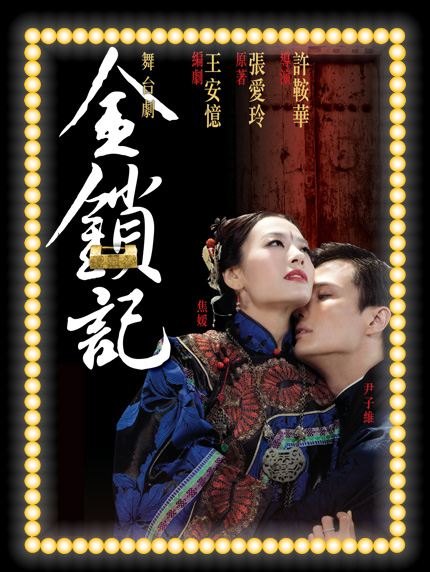
話劇:金鎖記

話劇:金鎖記

July 10, 元朗劇院
焦媛實驗劇團:
主演: 焦媛, 尹子維

編劇: 王安憶
導演: 許鞍華

詳細資料

張愛玲我肯定喜歡,但不能說我是張迷。去看戯前把金鎖記看了一遍,可能因爲題材的關係,沒有特別的共鳴。

元朗不是上環
這次重演地點之一居然是元朗劇院,不去看也説不過去。元朗劇院其實是個一流的場地,比上環更好,可那觀衆就不一樣了。西鐡並沒有把更多的觀衆帶到元朗,卻把最劣的觀衆帶進了劇場。

賣座並不理想,報載:"...焦媛、高志森及李潤祺...(七月 四日)去到元朗派發宣傳單張,宣傳今個月在元朗劇院演藝廳上演的舞臺劇《金鎖記》。雖然昨日氣溫高達攝氏三十度,但焦媛依然向大小巿民包括菲傭派發單張, 務求為舞臺劇進行最後的宣傳..."

是晚只有幾成的入座率。人的多少不是問題,坐上也不乏專程去捧場的時尚青年男女,可是只需要幾個本土的大叔大嬸就能讓本土味徹底地掩蓋品味。一兩個脫了鞋,翹起腳的摒在視線外就可以了,可是耳朵哪?只能無奈地聽著各式的電話鈴聲四起, ”...喂喂,我係道睇緊戯呀!...“

此戯初演在國内巡迴時很是轟動,很多媒介都詳細報道過, 也不乏見解 (文匯報中國網新浪網南方周末 )。我這裡就不多說,只談一些感覺:

編劇 我覺得王安億可以,挺忠於原著,刪去兒子的角色也沒問題。

導演 除了一兩部早期的電影外,我從來都覺得許鞍華永遠都差了那一點點, 更常是“差之毫釐,謬之千里”, 像工匠多於藝術家。許鞍華在場刊裏說: "...金鎖記其實特別慘烈,惡毒, 我希望盡量弄得有生氣些, 若太低沉, 悲哀,觀衆會看不下去。 所以,這次處理上相對活潑, 也有點喜劇色彩..."。對我來說,這就是問題。其實我看這小説,覺得曹七巧是潑辣不討好,但所謂 “角色太沉重 “ 我怕只是導演性格上的包袱,多説好少說壞的壞習慣。既是如此,何必偏偏要導這一個故事呢?焦媛這“風格化”的演出,替觀衆卸下的不只是沉重,更多的是原氣,難怪那些年輕觀衆沒任何承擔地笑個不停。不得不問,這是張愛玲嗎?再問,他們知道張愛玲是誰嗎?

演員 焦媛是天生的好演員,“風格化” 的問題不在她。她全情投入,臺詞字字珠璣,擲地有聲, 更有唱戲般的節奏感,實屬難得。尹子維就不行了。我覺得姜季澤這角色, 雖是敗家子, 卻仍是大家出來的人。 尹子維熊非但沒那氣質就差那麽一點就變得有點猥瑣了(這裏面也有導演的問題)。我在想,這角色要是由杜汶澤演就好了。其他的演員都很稱職。

佈景簡約, 大致到位,只缺點靈氣。燈光沒有什麽特別, 不過不失。兩者可能也沒什麽發揮的空間。

附:一個有關焦媛的 Blog

10 July, 2010

Concert Review: Sinfonietta-Schmid-Zuckermann

Concert Review: Sinfonietta-Schmid-Zuckermann

July 10, 2010, CH
Hong Kong Sinfonietta - Benjamin Schmid - Ariel Zuckermann
Rossini - Beethoven - Shostakovich

I attended the concert for two reasons: to hear the always stimulating Benjamin Schmid, and to check out the conductor Ariel Zuckemann. The latter is assistant to Ivan Fischer at the wondrous Budapest Festival Orchestra, a not insignificant post. I was rewarded on both counts, it being the best Sinfonietta concert I have attended.

The opening of Rossini's William Tell overture set the mark for the wonderful evening. I don't know why Laurent Perrin is now only assistant to principal cellist 張培節, but musically it mattered little as the duo, as well as their colleagues, played rapturously in the finely spun part-writing for lower strings. Congratulations for delivering the most poetic and atmospheric orchestral lower string passage I have ever heard. Better still, the conductor molded the long overture carefully, maintained coherence and injected much color and excitement. Despite the familiarity of the theme, this sprawling overture to the sprawling opera is actually not easy to bring off. Here, one must commend the wonderful winds of the Sinfonietta.

Benjamin Schmid delivered a patrician reading of Beethoven's Violin Concerto, with able support from the orchestra and conductor. As in the second-half of the recital 2 days ago, his tone was beautiful and ample, and he played with fluidity and ease. The whole was immensely satisfying.

The cogent reading of Shostakovich's Symphony No. 9 must be counted a miracle. The all-important opening was brilliantly delivered (as few on recordings). The strings were well-articulated, yet expressive, macabre and nonchalant by turns. The winds and brass punctuated the proceedings with controlled yet spirited outbursts. The reading had an easy flow, and the hairpin dynamics sounded utterly natural under the able conductor's hands, no mean feat. If the reading did not erase memory of the 2006 VPO/Gergiev performance, which brought out more tragedy, it was a completely valid performance able to stand on its own, illustrative of the central enigma and superior in conception to many a recorded performance. Even if the energy ebbed slightly towards the end, it was still a valedictory reading to put alongside this year's Shostakovich bounty (HKPO's No. 11 and SZSO's No. 15). Congratulations are in order.

A word on the excellent Sinfonietta Musicians. It should be kept in mind the strings were small (maximum 10, 10, 8, 6, 4 for this concert) but sweet and steady. The concertmaster designate James Cuddeford was outstanding in his leadership. In the other sections it's really too bad the roster had to change so often, and I miss some of the previous players and principals. But as a whole I have to say, judged by this concert, the wind section, exposed by the small string section, are the best ever. Not only were the principals steady, so were their seconds. Even more importantly, they cohered into a whole that was more than the sum of the parts, something the HKPO winds have yet to do. The brass too were very steady. A great job!

The big question is, with this orchestra, how long can that be maintained? I wish at least until Zuckermann's returns (hopefully soon)!

08 July, 2010

Concert Review: Benjamin Schmid-Dejan Lazic

Concert Review: Benjamin Schmid-Dejan Lazic

July 8, 2010, CH
Mozart-Beethoven-Bridge-Gershwin

Benjamin Schmid is certainly not a household name, but I have always liked him. On records he always comes across as thoughtful and challenging, in material as diverse as Bach, Brahms and Ysaye (many are available in the library). I heard him live with the Sinfonietta in the Brahms concerto in 2006, and I append below my brief notes written at that time. Here is an excellent Interview of Schmid.

Dejan Lazic is also no stranger to HK. However, his previous appearance with the HKPO, Rachmaninov Variations on a Theme of Paganini in 2007 had left me stone cold, and I also append my notes then below.

I have mixed feelings about the first half. Given that Schmid won both the Mozart and Beethoven prize in the Carl Flesch competition, I was puzzled by the readings, which lacked refinement. Sitting 7th row near-center, Schmid's coruscating (but not infallible) technique was very much evident, indeed often too much in-your-face. Especially in Beethoven's Op 30/2, his slashing attacks, deliberate coarse, often had me jumped out of my seat. Now, here I'd like to say that I have always preferred my Beethoven on the move and think of a little coarseness part and parcel of the music. But here together with rhythmic over-emphasis the effect was just too unrelenting. Schmid brought out many details but his dynamics were often exaggerated, even idiosyncratic. Complicating the picture was the somewhat reined-in piano. Lazic played well and ensured texture was always clear. But for me, these are Sonatas for Piano and Violin (piano labeled first), and the piano needs to come out more. Schmid has ample volume and could have withstood a stronger challenge from the piano, more pedaling. An example for me was the andante of Mozart's K376, where the violin melody, beautiful as it is, is simple and repetitious, and a more forthrightly singing piano would have been welcome. But the pairing of the sonatas had its illuminating side: it was interesting to compare the two rondo finales, not as different in these hands as it may seem! All in all, challenging music making, and not a boring moment, but I wished for more relaxation.

The second-half, in contrast, was as flawless a recital as it could be. I very much enjoyed the pair's big-boned and fluid rendition of Bridge's Sonata (1904). Here was everything lacking in the first half. Refinement, beautiful tone, passion. It was more enjoyable than the usual rendition of a Brahms sonata, which often puts me to sleep in lesser hands. Three wonderfully idiomatic Gershwin-Heifetz transcriptions rounded out the perfect half. Another Gershwin was the only encore. I must say in the Gershwin I fancied I heard the characters singing - these were renditions worthy of putting alongside Heifetz.

I eagerly look forward to Schmid's Beethoven concerto with the Sinfonietta on Saturday.

Appendix


06/12/2006 HK Sinfonietta/Beethoven/Brahms/Schmid/Yip CH

"...The second-half Brahms concerto was tightly argued. Benjamin Schmid delivered a rather refined reading. Our opinions were rather divided. His tone was interesting, penetrating and forceful in the upper registers, but to me at times quite coarse and sucked-out in the middle. The orchestra accompanied competently, and the audience was enthusiastic..."


06/04/2007 HKPO/Rachmaninov/Sibelius/Lazic/Atherton CCCH

"...This is probably one of the worst recent concerts of the HKPO...In between came Rachmaninov's Variations on a Theme by Paganini. Dejan Lazic had made a name for himself for being unpredictable. This time he was pretty bad. He sounded weak, emphasized the rhythmic but was superficial, almost devoid of tonal shadings. The orchestra played well though. The Scarlatti encore though was quite beautifully played..."


06 July, 2010

CD Recommendations (4): HMV Sale - Australian Eloquence

CD Recommendations (4):
HMV Sale - Australian Eloquence


HMV Hong Kong is having a sale on Australian Eloquence, at prices that are cheaper than down Oz. In recent years, Australian Eloquence has done great service to the classical world by re-issuing for the first time many deserved recordings.

The entire catalogue is difficult to find. Here is Buywell's 2009 Catalogue of Australian Eloquence in pdf form.

For me, among the choice items:

-Ernst Ansermet. This prolific Decca "house" recording artist recorded a lot more than what was internationally issued by Universal. Australian Eloquence has rectified this by issuing previously unavailable Brahms, Prokofiev, Schumann etc. For me, there is not one unworthy. Click below for 2 excellent overviews of this conductor:

Overview 1
Overview 2

-Arthur Grumiaux. Another artist who has recorded a lot more than issued so far on CD (except for a previous Japanese edition). Among Australian Eloquence's offerings are wonderful recordings of baroque music etc.

-Ruggiero Ricci. Previously you have to find many of his best recordings (always a firebrand) on Taiwanese Decca. Now they are conveniently bundled. Some items, like Bach and Hindemeth, are new to CD.

-Other good recordings by Paul Kletzi and Walter Weller.

Two exoticas that are highly regarded in HiFi are Witches' Brew and Royal Ballet Gala (pictured above), but these 2 items may be out now, as I failed to get extra ones for friends.

03 July, 2010

29 June, 2010

Concert Review: Piotr Anderszewski

Concert Review: Piotr Anderszewski

June 27, 2010, CH
Piotr Anderszewski recital 彼得.安德塞斯基
Bach-Schumann-Szymanowski-Beethoven

Hard on the heels of Zimerman came his compatriot Piotr Anderszewski, another serious Polish pianist who has garnered accolades everywhere.

Although Anderszewski is not as well known in HK, and ticket prices were a lot cheaper than Zimerman's, many in the know regard him as a pianist's pianist. The recital took place Sunday evening and the hall was mostly full, in an austere program typical of the pianist.

The pianist is an interesting fellow. Make sure you visit his Official website. His hero is Richter and make sure you read that link. Indeed Bruno Monsaigeon, who made a film on Richter, thought highly enough of him to have made one on Anderszewski too. The website also contains many concert reviews, where you shall find many of the same pieces played at this concert. I shall cite just two:

Carnegie Hall concert 2008 (Beethoven Op110)
London 2005 (Szymanowski Metopes)

Anderszewski took a while to settle into Bach's English Suite No. 5. Although the voicing was perfect and one could hear every strand, I missed a certain joie de vivre that others, say, Perahia, can convey. This music should dance more. Then came Schumann's Six Etudes in Canonic Form, where the pianist came to his elements, finding plenty of poetry and color even in the austerity. This rare work is a curiosity, written for the pedal piano (read more in this link) (apparently, a piano fitted with extra pedal keys like organ, to be played with the feet). I have no idea how it is adapted/transcribed to be played with just 2 hands. I found it of grave beauty, deserving to be heard more often.

The second half began with Szymanowski's Metopes. This atmospheric score by the Polish composer is one of his calling cards and needless to say it was wonderful. With this pianist, every strand is in place, and even the more lurid and perfumed episodes sounded colorful but not vulgar, more impressionistic than sensual.

Beethoven's Sonata No. 31, Op 110 received an immaculate reading. With superb composure, voicing was lucid and much detail was revealed over its span. However, I missed a sense of struggle and would have preferred more pointing in some of Beethoven's more jagged, even jazz-like, rhythms. This interpretation revealed more the ethereal elements and repose.

The first encore, Bartok's Three Hungarian Folksongs, was spectacularly energized and singing, with all the dance elements and rhythmic pointing I did not find in the concert elsewhere (let's not forget the pianist has a Hungarian parent). The second was an atmospheric piece, perhaps something from Masques?

Comparison with his compatriot Zimerman is inevitable. Anderszewski sometimes reminds me of the senior pianist for his superb concentration, tendency towards austerity and a fastidious, near-perfect balance of voices. Comparison of the two pianist was quite fascinating and not at all always to the senior pianist's flavor.

Who is Kornel Zempleni?
I have to confess that when he played the first encore, I knew I had heard it before, and not only once, but could not place it. It was when searching some of the other reviews that I found the piece. What a lovely piece that one would never guess it is from Bartok. While researching I came across this mesmerizing youtube:

Kornel Zempleni plays Bartok Three Hungarian Folksongs

I was mesmerized by Zempleni's ethereal reading, which is completely different from Anderszewski's more unexpectedly earthy account. Aside from some youtube fragments, I found little info on that pianist:

Kornel Zempleni

I shall be on the lookout for his recordings on Hungaroton. If you have more info on him, let me know.

27 June, 2010

Concert Review: HKPO-Wang Yujia-Tang Muhai

Concert Review: HKPO-Wang Yuja-Tang Muhai

June 26, 2010, CCCH 香港文化中心
香港管弦樂團-湯沐海-王羽佳
Prokofiev - Rimsky-Korsakov

I was unfortunately out-of-town for Wang Yuja's last recital. My friend's words of mouth became my envy. Finally I was able to catch up with this young talent, who had seemingly come out of nowhere to shake the piano world, and she largely did not disappoint.

The Prokofiev Piano Concerto No. 3 deploys a huge orchestra and is a definite challenge for any soloist. Conductor Tang Muhai made no concession to his soloist with a blazing accompaniment. Rather than fighting against the orchestra, as a lesser soloist is wont to do, Wang Yuja was an equal partner. Her phenomenal storming ability in the percussive passages and unusually strong bass ensured that she could be heard in tutti. Even more satisfying was the sense of partnership; soloist and orchestra showed interplay, as well as integration in the many concertante moments. A mature fluidity belied her age. If there is anything that I had reservation about, it is that in the notes beneath the mezzo level her piano tone was curiously not as strong and full-bodied, even vacuous. This made her indistinctive in the softer passages. Here her sforzando's were also not pointed enough. Indeed, despite her percussive prowess, her Prokofiev was remarkably smooth, perhaps a bit too much so for me. The first encore happened to be one of Stravinsky's Three Movements from Petroushka, her CD of which we had played earlier in the afternoon at a friend's house. Her performance was much like the recording, and I agree with Andrew Clement's review in the Guardian, that it was "...lightweight and never remotely dramatic...". The second encore, Chopin, on the other hand, was quite beautiful, if just a little too manicured and short of haunting.

The conductor deserves great credit for the coherence of the concerto. Tang Muhai had a thorough grasp of the Prokofiev style. His rhythmic exactitude, precise dynamic gradation and fastidious balance of voices similarly brought forth an uncommonly involving Prokofiev Symphony No. 1. The "Haydnesque" elements were very much in evidence. There were slashing accents, a singing line and bouts of high drama, indeed sturm und drang.

The conductor's virtues were also very much in evidence in Rimsky-Korsakov's Scherherazade. He brought out much precision and fine details, and the orchestra played with great virtuosity. Yet I agree with an acquaintance that a little something was lacking. He said the four sections of the score seemed rather unrelated and an overall coherence was lacking. I personally would not dwell on that but did think a little more 陰 to balance out the 陽 would be beneficial. I also think rhythmically the percussive and stormy passages were too four-square, and despite the power too careful by half. I would prefer a little more abandon even at the cost of a little precision. But then this is a rather common failing of the HKPO (and EdW). John Harding was an interesting soloist but his portrait of the protagonist was not necessarily feminine. All in all, a very fine concert.

The HKPO played very well. The horns and brass were splendid. Andrew Simon has been away but for this and the last concert I greatly enjoyed (I always do) the tasteful clarinet playing of John Schertle. This was also one of the very few times that I liked the playing of oboist Michael Wilson (in the Scheherazade).

Hong Kong Philharmonic Orchestra

26 June, 2010

Concert Review: Krystian Zimerman

Concert Review: Krystian Zimerman 齊墨曼

June 22, 2010, CCCH 香港文化中心
Krystian Zimerman Recital 齊墨曼
All Chopin

I am going to be brief here. Going to a Krystian Zimerman concert is like going to a Pollini concert. You know exactly what you are going to get and you have accepted the terms long before the first note. That said, Zimerman's return visit after 4 years left me a little cold. A feeling of deja-vu led me to dig out my notes on his 2006 concert and not surprisingly I found my feelings duplicated.

The piano sound itself, one of the best reasons to hear this pianist, seemed to me not quite as chiseled as in the 2006 concert. I remember his pristine tone on that occasion quite well. The change may possibly be related to: (1) the pianist; (2) my seat, a little different from last time, but still a good one; (3) the humidity; and (4) Zimerman's positioning of his piano, unusually deep into the stage. The program mentions Zimerman's interest in "...hall acoustics, the latest sound technology and instrument construction..." I am sure he tinkers with the position of his piano on stage.

This being the Chopin year, Zimerman naturally played nothing else. For those who had attended the 2006 concert (my notes below) this unfortunately involved duplication of the Sonata in B minor, the largo of which felt just the same. The same can be said of the funeral march of the Sonata in B flat minor, of grave beauty. As before, I liked his slow playing better. As a whole, for my taste, the most coherent piece was the Scherzo No. 2. The opening Nocturne in F sharp Op 15/2 was rather mild to me. The concluding Barcarolle just a shade detached, despite its myriad beauties and rare evocation of water. I was not bothered by the absence of encores.

Friend and fellow concertgoer cfh mentioned the same program were played on his world tour. Here are some reviews of his London "Birthday Concert" and more:

The Guardian
MusicalCriticism.com
Daily Telegraph 1
Daily Telegraph 2
A Blog

Hamburg Concert

Would I go hear Zimerman again? Yes, I would (I have stopped going to Pollini concerts).


Appendix

My Review of Zimmerman's 2006 concert

02/07/2006, CCCH
Mozart K330; Ravel Valses nobles et sentimentales; Gershwin 3 Preludes; Chopin Mazurkas, Op. 24, Sonata in B Minor
lcsd 2006 press release (I am sure "early July" for the concert is wrong)

"...Vincent Mak gave a review in the SCMP, which I mostly agree with. A few notes:


He is a known entity, a man who had very carefully built up a relatively narrow repertoire, who knows exactly what he wants at every moment. This is a musician who demands we hear him on his terms, a musician not for the literal-minded (none of those generic “the notes speak for themselves” remark). I think I’ve listened to most of his DG recordings and have liked most of them. But they also tell of an almost dangerous fastidiousness. The Chopin concerti were touted for their scholarship, and much was made of his endless study and preparation for them. Yet something was missing in them for me. That, however, did not prepare me for the stunningly affected Brahms with Rattle.


Given his fastidious weighing of notes, many slow and soft, I personally think the location of the seat is very important. I was lucky with my last minute seat, facing him directly on the balcony. The sound of his own piano outstanding though a bit soft and truncated in the bass. Overall I found him more captivating in slow music than fast.


The Mozart was affected. The outer movements did not quite move along and neither did I find his playing as clean as I imagined his should be. I did like the slow movement. I almost always like him in slow movements. He has this neither truly classical, nor romantic, certainly not sentimental quality. Gymnopedie- or Gnossienne-like?


The Ravel was nice but my more critical friend said it was missing some “haze”!


I did not quite take to the Chopin in general, as I did to Pogorelich’s many years ago. But I did find breathtaking the largo of the sonata, played with the qualities noted in the Mozart. To me it was almost like piety and felt like a prayer..."

21 June, 2010

Concert Review: HKPO-Suzuki-Kelemen

Concert Review: HKPO-Suzuki-Kelemen

June 18, 201o, CH
Hong Kong Philharmonic - Masaaki Suzuki - Barnabas Kelemen
Haydn-Mozart-Mendelssohn

Masaaki Suzuki is well known for his work in the baroque repertoire, especially for Bach. He is near completion in his recordings of Bach's choral works. It is a surprise to find him here conducting Mendelssohn, but then nearly all conductors of period instrument bands ultimately gravitate to later and romantic repertoire. Norrington even dabbled in Bruckner!

For the entire concert Suzuki employed reduced strings, 11, 10, 8, 6, 4, huddled close together for critical mass. Vibrato was perhaps attenuated but certainly not completely absent, and I'd guess by the bright sonority tuning was as usual.

Haydn Symphony 44 "Trauer" received a stylish treatment. The so-called "mourning" aspect was not emphasized, yet this did not mean the interpretation lacked gravitas. I liked the long lines and sensitive phrasing which subtly illuminated the finer sentiments. This was countered by bouts of fury and drama, completing the picture of Sturm und Drang. Overall, this was dramatic Haydn, well played, but less spontaneous than last year's Haydn under McGegan.

Mozart's Violin Concerto No. 3 fared a little less well. Even if the results were uneven I appreciated soloist Barnabas Kelemen's effort at pointing his phrases. Distinctiveness sometimes is just a hair removed from idiosyncrasy. He grimaced very often, as if playing to kids, and no doubt many in the audience found it annoying. The orchestral contribution was average, the whole lacking somewhat in fluency.

Mendelssohn comprised the second half. The rarely heard Fair Musulina fared better, beautifully executed and atmospheric. The Italian Symphony was meticulously worked out, full of details, long on vigor and drama but short of a mellifluous quality, which this symphony, of all pieces, should have in abundance. Here, I'd certainly prefer a larger string body. The reduced strings often imparted a degree of grittiness to the proceedings. Although the winds were thus heard to better advantage, here they failed to capitalize. The clarinets were the best and oboes the weakest. As a whole the interplay of winds and strings so vital in this symphony lacked rhythmic resiliency and felt earthbound.

15 June, 2010

Concert Review: SZO-Shostakovich -張國勇

Concert Review: SZSO-Shostakovich -張國勇

June 12, 2010, 深圳大劇院音樂廳
深圳交響樂團 - 張國勇 - 賈然
Saint Saens-Shostakovich


六四 HKPO-Lazarev 激昂的音樂會還在腦中回蕩, 沒幾天後卻是深圳交響樂團的蕭氏第十五號。 我本想難免會有點“反高潮“的感覺,但事實證明剛好相反, 我的憂慮是多餘的。

我去聼的原因之一當然是因爲曲目吸引, 但更大的是我想聼 張國勇 的表現。我在 2007 年聼了他伴奏的音樂會後(見下面的附錄),就覺得他是個非凡的指揮 。這天,看了場刊裏 張國勇的資料 後,就有了期待。不單因爲他在俄羅斯受過教育,對蕭氏肯定有深刻的了解, 更因爲他原來是 Rozhdestvensky 的學生!Rozhdestvensky 從蘇俄時代到現在都是俄國音樂圈裏擧足輕重的人物, 對蕭氏的了解更是第一手而非一般的。 老師對學生的評價極高:“...I am awarding Zhang Guoyong the highest mark in the history of the conducting department in the Moscow Conservatory. He can most assuredly take his place in any orchestra throughout the world!...”

第十五號蕭氏最後一首交響曲,寫的時候蕭氏是知道自己快死了。 曲子的風格奇特,可説是蕭氏在他生命中又一次的“反高潮“。曲子肯定是言之有物,但隱晦中説的到底是什麽就備受爭議。我們先看 國立臺 灣交響樂團 對此曲的描述:

"...《A大調第十五號交響曲,Op.141》寫於1971年蕭斯塔可維奇健康日益惡化之時。第一樂章帶著些許孩童的天真氣息,另外也嘲諷成人在共產體制下被矮 化成傀儡;曲中所引用羅西尼《威廉泰爾序曲》的片段,則暗示著召喚革命的浪漫理想,而玩具化的配器也有意突顯俄羅斯中央監獄的對面竟然是中央玩具店。第2 樂章的長號主題係取自一首囚犯歌曲,整個樂章的基調則為嘲弄與憤怒。第3樂章挖苦與諷刺的調子亦十分明顯。第四樂章引用華格納《指環》裡的命運動機、《齊 格飛》葬禮音樂的反覆節奏和《崔斯坦與伊索德》的開頭音符,以及蕭氏自己《第七號交響曲》裡的進行曲,最後則迂迴到嘎嘎響的死亡骸骨。基本上,此曲可謂蕭 斯塔可維奇向現實、過去的影子和音樂美麗世界的告別之作。指揮大師蕭提1997年3月所錄下的版本,係他跟芝加哥交響樂團的最後錄音,整體演出室內樂般透 明紋理和合奏完成度,節奏活潑,表情洋溢華格納式神祕。結尾打擊樂器的聲音漸去漸遠,大師也彷彿就此消失於人間,很虛無,卻令行家熱烈感動。..."

張國勇向觀衆對此曲做出了幾乎 10 分鐘的講解, 重覆強調:(1)藝術家在暴政下表面的妥協和骨子裏的反抗; (2)快死的蕭氏覺得自己一輩子都在不安和憂傷下過日子,但不能死的時候都是這樣, 故此採取了抽離的風格。張國勇的解説平實自然, 像對話一樣;希望多些指揮可以這樣做。

今年深交的音樂會有異往年的是回歸了大劇院。 大劇院的設計酷似我們的大會堂,音效也是粒粒皆清楚, 唯一的遺憾是小了點,臺上顯得擁擠, 而強聲時不免有點超載的感覺 。

張國勇指揮的風格跟他的講解一樣樸實,可說是毫不起眼,但在他的指揮下樂隊的表現近乎完美,無論在深度或技術層面上都超越了樂團去年的第十號。先前用來形容蕭氏第十一號/Lazarev 的文字,只用改一點點同樣可用在這裡:

“蕭氏很多作品,包括第十五號, 演繹最難的是對連貫性的要求。各種的微弱聲音滿佈此曲, 平庸點的演繹會令人在刺激過後容易產生乏味的感覺。在這些地方張國勇沒少費周章, 在一個緊接一個隊員或聲部身上張羅到豐富的色彩, 描繪了萬生態的哀樂, 扣人心弦。“

在這曲子的表現上,深交的木管及敲擊樂的出色程度甚至超越了上一場的港樂。各種的敲擊片斷演出了時鐘的踢踏,敲響的警鐘, 心悸後的恐懼, 在不規則裏對平安的緬懷。越聼下去越覺得時光漸在流逝,心頭更浮出不安及唏噓交錯的感覺。那是先前在臺北聼同一曲目 (Michael Sanderling 指揮臺北市立交響樂團) 時沒有感受到的。

在我的心靈上,兩場的蕭氏是分不開的聯體,第十五號明顯地延續了第十一號的意義,共同替我帶來了對蕭氏更深的認知, 也是我聼過最令我感動的蕭氏。心裏面有感恩的感覺:活著的人怎能忘記無辜地死去的人?也覺得安慰:在這浮華的年代,有心人還是有的; 在這廖化當先鋒, 肉麻地叫大師前大師後的年代, 非凡的指揮和音樂家, 也就是默默耕耘的有心人,還是有的。

上半場是 Saint SaensDanse Macabre 後演出了第二號鋼琴協奏曲。鋼琴新秀賈然的技術非常扎實,伴奏也到位。整體來説,這法國音樂缺了一點輕鬆的感覺。你也可以在港樂來季聽到賈然

坐在旁邊的是一位很漂亮大方的女士 。 我問她在替誰錄像, 才知道她是俄羅斯大號首席 Anton 的妻子, 也是一位鋼琴家。 聊天時她也說張國勇是很棒的指揮。在香港張國勇通常會指揮中樂團或替歌唱家伴奏, 希望未來他能有機會指揮點交響曲目。

附錄 1:廣州日报訪問提及蕭氏及老師 Rozhdestvensky全文

...广州日报:在中国指挥界,你被公认是肖斯塔科维奇交响曲的最佳诠释者,能不能谈谈你的心得和体会?

  张国勇:我偏爱肖斯塔科维奇,原因是我不仅喜欢他独特的音乐语言以及高超的作曲技巧,更重要的是,我很敬重他的人格,他是一位讲真话的音乐 家。要更真切地感受一个作曲家及其作品,就一定要到他生活的环境、地域里去寻根。我在俄罗斯的学习生活经历对我指挥俄罗斯作曲家的作品帮助很大,而且我与 一般较年轻的留学生不同的是,我在俄罗斯学习时年龄相对稍长,有一定的工作和实践经验,也有一定的文化经历。我就不只是纯粹地学习技术,而是在感悟文化, 感悟人生,感悟历史。这可能也是我的演绎带给听众的比较特别的一点吧。

  广州日报:您的恩师国际著名指挥大师罗日杰斯特文斯基也是一位演绎肖斯塔科维奇作品的权威,能跟我们谈一下他对您的影响吗?

  张国勇:我的老师罗日杰斯特文斯基是一个充满睿智和文化的人。他和肖斯塔科维奇生活在同一个时代,也有很好的私交。我的老师对肖氏作品的理解 是第一手的也是最真实的,很多肖斯塔科维奇的作品还是他首演。我认为,我的老师在对音乐结构的宏观把握方面做得尤为出色,非常有逻辑性和合理性。..."

附錄 2:24/03/2007 上海歌劇院交響樂團-陽光-張國勇 (我寫於 2007)

"...The hall was packed with an enthusiastic audience (frequently the case with mainland artists). I was really surprised when the orchestra came out, so young!...The real surprise is the orchestra。 They played with concentration and verve under Zhang Guoyong, who conducted with concision and incisiveness. The opening Rossini Barber overture was dramatic. The strings were excellent and had big, dramatic, penetrating power. Most surprising was the lack of “Chinese sound” and the orchestra’s grasp of all the musical styles. Even the Mozart pieces were delivered with élan (that cannot even be said of the HKPO); the beautiful clarinet playing of ?Li Cong almost took my concentration completely away from Yang Guang. The winds were in general very good, except for the sound of the oboe (instrument?). The brass was surprisingly secure and warm. I think this is already a better orchestra than the Sinfonietta and the Macau. And it played the various styles in a more versatile way than the HKPO. For an orchestra so young it is an amazing accomplishment. I look forward to hearing them again. .."


Shenzhen Symphony Orchestra

13 June, 2010

Concert Review: HKPO-Shostakovich -Lazarev

Concert Review: HKPO-Shostakovich-Lazarev 音樂的祭拜

June 4, 2010, CCCH

HKPO-Alexander Lazarev
Mozart-Shostakovich

作爲一個中國人,六四不單是一個畢生難忘的日子,更是一個揮之不去的符號加問號。這一天,連政治冷感的大衆都會想起歷史。當天,我選擇了去聼音樂會。要知道原因的話,看看國立臺灣交響樂團對此曲的描述就知道了:

"...標題《1905年》的《G小調第十一號交響曲,Op.103》首演於1957年,內容描寫一樁重大歷史事件:1905年俄羅斯東正教教士加朋錯估沙皇尼古 拉二世的仁慈,率眾赴皇宮請願,沒想到沙皇全家避居冬宮別墅,警察及哥薩克騎兵向群眾開火,廣場血流成河,埋下俄國大革命的火種。全曲四個樂章均附標題: (一)宮殿廣場(二)元月9日(三)永恆追憶(四)警報,有學者認為其精神內涵似乎隱喻譴責蘇聯當時入侵匈牙利的不當。無論如何,此曲動態巨大,配器多彩多姿,是一首備受音響發燒友喜愛的里程碑格局曲目。..."

蕭氏從來都是港樂的強項。在這之前, 港樂有三次超凡的蕭氏演繹:幾年前 Jaap Van Zweden 指揮的第八號 那霹靂感至今仍然在耳(可惜那時未建 Blog, 也沒留檔案; 如你有資料,敬請告知);還有 2008 年 Mark Elder 極具深度的第六號2009 年 Rozhdestventsky 的第十號。可是這一次更不一般。

在大嚎中也能聽到細細的哭泣
Alexander Lazarev 的指揮下,HKPO 蕭氏第十一號的演繹,絕對稱得上“ 鬼哭神嚎“。 描述屠殺的時候,我及朋友們的眼淚滾滾而下。 從來沒聼過港樂能夠那麽從容地放送源源不絕的力量。就算在音樂最歇斯底里的時候,每聲部仍然清晰; 就這一環,水準已經超越了以前任何蕭氏和馬勒的演出。更可貴的是,在大嚎中也能聽到細細的哭泣。這不只是樂隊在音樂澎湃時的出色表現,也是指揮 Lazarev 對樂曲整體的理解和描述。 聼這場音樂會赫然就是一個祭拜的經歷。

蕭氏很多作品,包括第十一號, 演繹最難的是對連貫性的要求。各種的微弱聲音滿佈此曲, 平庸點的演繹會令人在刺激過後容易產生乏味的感覺。在這些地方 Lazarev 沒少費周章, 在一個緊接一個隊員或聲部身上張羅到豐富的色彩, 描繪了萬生態的哀樂, 扣人心弦。

令人遺憾的是,可能日子特別之故,當日上座率我想四成不到。更糟糕的是,最後一個音符還沒完全過去就有一位先生大叫 Bravo, 破壞了一個完美的音樂會。 幸好之後 Bravo 之聲仍然不絕。

差點忘記了,上半場是 Mozart Clarinet ConcertoAndrew Simon 的表演 (Basset horn) 缺點味道,樂隊雖不錯, 整體沒有以前 McGegan 指揮那次的水準

Alexander Lazarev
久違了的 Lazarev 是一個非凡的指揮。自我聼了他在 2005 年指揮港樂後,就非常仰慕他。那次全俄國作品, 其實比這次難度更高。上半場 Rimsky-Korsakov 的 Russian Easter Overture 及Prokofiev 的 Violin Concerto 2 (Takezawa 拉) 對大家來説比較耳熟能詳;真正令人驚嘆的是下半場兩個冷門曲目。 Liadov 的 Nenie 色彩豐富多變;Borodin 的 Symphony No. 2 氣勢如虹。

友人聼了 RTHK 的訪問,說 Lazarev 很謙卑,強調“指揮”最重要的是跟樂隊的溝通。其謙卑從謝幕也可看到;他不停地用手勢把掌聲推向樂隊。

這才是個真正的“大師”,一個注重令音樂打動人心而不是令樂隊服從的音樂家!希望他不用我們再等五年, 很快重臨香江。

P.S.
1. 有沒有留意到海報的詭(鬼)異色彩?
2. 在網上瀏覽的時候,看到一篇有同感的文章:香港管弦樂團政治不正確??

CD Recommendations (3)

CD Recommendations (3)

Universal HK is having a "Masters of the Strings" promotion right now. Full-priced String albums are offered at mid-price.

Daniel Hope is a young violinist that I like very much, but he's obviously not a box-office draw. His new CD, Air - A Baroque Journey, is available at promotion price! Much of the music is unfamiliar, but it's worth your time to explore. Make sure you sample the tracks at the website link above.

I'm not a fan of Mullova, but I'm certainly one of Carmignola (previously on Sony) in the baroque repertoire. Their Vivaldi Double Violin Concerto CD is refreshing, one of the best Vivaldi CDs recently (aside from Carmignola's own solo CDs, also available in this promotion).

The Grimiaux-Haskil Mozart CD is a classic, but has been difficult to get, perhaps even out of print. It's now available again as part of the promotion. Of course, the cover is a little different. It says DECCA rather than Philips on the cover! Grab it while you can.

The promotion has all the familiar faces, but I'd urge you to explore new talents, like Nicola Benedetti, who not only has a beautiful face.

01 June, 2010

Pseudonyms on Obscure Labels

Pseudonyms on Obscure Labels

This is an issue that has fascinated collectors forever. Long time LP collectors often come across obscure labels that were once sold by alternative methods, such as in department stores, supermarkets, or through subscription etc. For contractural and other reasons, the real name of the orchestras and conductors were often changed to almost funny names, caricatures with intent. Even larger "second-labels" such as Everest did this kind of thing.

These LPs were also notable for their covert "art". Many are so campy that they are great! I like the one pictured.

The ReDiscovery Label
While researching the violinist Janine Andrade I came across this small "label" that sells CD-R's at reasonable price (one man's work of love). It has put out a huge series of worthwhile perfromances (some of which I have) and identified the real musicians. That's a real service to collectors!

Here is the Discovery Catalogue (Musical Mysteries series). Please note the "thumbs up, thumbs down" icons contain reviews that offer much more information. Here's a review of the pictured Can Can in Stereo album. The orchestra were certainly not "The French Orchestra" and the conductor not "Suzanne Auber". The real performers were the Hamburg Radio Orchestra directed by Hans-Jurgen Walther.

Make sure you play the ReDiscovery Gallery (wonderful LP covers).