Showing posts with label SZSO. Show all posts

23 April, 2022

Shenzhen Symphony Orchestra Recorded Concerts


Click pics to enlarge: Top, Principals Winds; Clarinet, Zuo Cheng 左丞; Bassoon, Hsieh Ming-Ching 谢明静; Flute (assistant P) Rao Dan 饶丹; Oboe, Cui Xiaozheng 崔晓峥. In my view, the SZSO winds are fabulous and coherent, a feeling I never get with the HKPO.


Shenzhen Symphony Orchestra Recorded Concerts (and more)

It has been a frustrating few months for the SZ concertgoer. Ever since Hong Kong’s massive Covid Fifth Wave (Omicron) started and spilled over into China, Shenzhen has gone into constant cycles of alert: massive testing mode, imposition of restrictions, and cancellation of concerts, including 2 that I most look forward to, Bruckner 7th and 4th. :-(

So nothing for a while, but suddenly, for the past weeks, SZSO has gone active on the internet, and in quick succession offered many recorded concerts for streaming. The programs so far overlap with but do not exactly match those of the canceled concerts. So some of these were planned anew and carried out expediently, and many are works the orchestra had played before. These were recorded mostly not in their main performing venue, the Shenzhen Concert Hall, but in an unspecified hall, likely their headquarter in SZ (Luohu area).

The administration of the SZSO exasperates me. These concerts were announced almost last minute on their Official Account (公众号) on wechat, and one better subscribes to it to receive the news. Incidentally, they seem to have finally revamped their long dilapidated Official Webpage, and it looks better than before (here and here), but I have little faith they will keep it consistently updated (China has basically abandoned the web and focused on smart phones apps - many things can be found only through cellphone apps and wechat official accounts).

These videos were recorded live without an audience, and cast on Bilibili.com (which I use, as I have its app on my Windows laptop) or Wechat and 小红书, usually at the concert time of 8 pm. Some become permanently available later, some are not - there’s no rationale to it (perhaps some are held back because the conductor is not satisfied? I wonder). Here are archived videos and here is the Live Room (only when there is a cast). I am not sure the links will work; if not try searching in Chinese 深圳交响乐团 ). Here are a few I listened to:

4/17 Conductor Lin Daye 林大叶
2012 winner of the prestigious Solti International Competition, Lin is Musical Director of the SZSO. So far I have been very happy with him, live as well as, as we shall see, virtually. This Mahler is creme de la creme.

Concert started with a (Chinese Award Winning) tone poem of veteran Ye Xiaogang (美丽乡村), which SZSO had played before and available on Bilibili. (I am indifferent to the vast number of tone poems by modern composers, which come with meaningless notes in concert). And then, Mahler Symphony No.1, in a Titanic performance (punt intended)! The orchestra was well nigh perfect, and amazingly thoroughly into the idiom. Interestingly, Lin adhered to the Viennese orchestral placement, with divided violins, and the brass stood up for the rousing finale. And the orchestral playing had more than a little Viennese feeling to it, especially the beautiful strings. Lin has again proven himself as a excellent Mahlerian (I attended his very good M5, each of the 5 movements irritatingly available separately on Bilibili: 1, 2, 3, 4, 5; note the Hall is not the Shenzhen Concert Hall, but the Bay Opera Concert Hall). This performance of the M1 was much more impressive than Jaap van Zweden 10 years ago (I watched his RTHK Telecast with the HKPO before attending his concert with the NYPO).

I “attended” this concert “together” with shidi, Andrew (in HK). I am glad he scrambled last minute and enjoyed it! While listening, we were texting on wechat, commenting in real time on aspects of performance (and the great looking ladies) - it was simply great, and he said next time he’s going to have wine and nuts around. Try this with a friend! Even over distance, we had this camaraderie feeling, not easy to come by these days!

The great Mahler is now available on Bilibili for viewing (here). I urge you to do so.

4/14 Conductor Lin Daye
Concert opened with Bruch Violin Concerto No.1. Soloist Wu Qian 吴倩, a SZ local, was better than her performance of a year ago (here). Orchestral contribution was excellent. Amazingly, I found out she’s now one of the tutti first violins! Perhaps the experience has already helped her. In the Mahler 1st video (link above) she can be seen behind the concertmaster, next to a beautiful lady with pony-tail.

Then followed, amen for making up for the canceled concert, the Bruckner Symphony No.4. Just like the Mahler (above), it was a highly satisfying, thoroughly idiomatic performance. The difficult 4th movement was structurally sound and well controlled. Bravo!

This concert is unfortunately not available for replay at the moment on Bilibili.com. I wonder why!

3/4 Conductor Huang Yi 黄屹
This young conductor (bio here) has risen incredibly fast in China. He’s now one of the Principal Conductors of China Philharmonic, Chief Conductor of the National Ballet Symphony Orchestra (Beijing) and Artistic Director of the Nie Er 聂耳Symphony Orchestra (Kunming).

Concert started with a well turned Stravinsky Pulcinella Suite. The neoclassical style continued with Francaix’s excellent but little played L’Horloge de Flore for Oboe and Orchestra, expertly played by veteran Oboist Chen Qing 陈擎 (now head 团长of the Quanzhou Symphony). Then followed a disciplined Brahms 4th, ending a highly satisfying concert.

The Stravinsky is available on Bilibili (here) whereas the Francaix is not. The Brahms is not either, but the last 2 movements are available in an educational program (here, with a host introducing the pieces, sort of like a pre-concert talk; likely shot just before the performance of the whole symphony). Cut out the other stuff and start at 36:45.

June 2021
Duly impressed by the young conductor, I searched for other videos. Lo and behold, there was a concert last year  (here), which I regret I had missed! Damn! It started with Wagner Meistersinger Overture, which I had heard the SZSO play under their former director, Ehwald (here). At 17’ came the Saint Saens Violin Concerto No.3 (don’t know who’s the competent soloist). But the real meat came at 59’ for Mussorgsky’s Pictures at an Exhibition. Most of us know this warhorse inside out, and I can say nothing much has perked up my ears this past decade, but the way Huang judiciously point and punctuate the music here and there is mightily impressive. One of the best accounts I have heard for a long time.

Hungry for more, I dug out his Dvorak Symphony No.9 with the Kunming Symphony (here). The video is subpar and the orchestra made mistakes (so not for everyone) but the overall narrative and flow was impressive. A young man to watch!

4/6 Conductor Lin Daye
Concert started with Haydn Trumpet Concerto (here), perfectly played by the Principal, but a little more smiling would not be amiss (lack of audience is probably worst for a soloist). Then came a chaste and properly turned Prokofiev Classical Symphony (here). It showed off the strings, anchored by the excellent playing of Concertmaster Guo Shuai 郭帅. Last was Copland Apalachian Spring (here), which was decently played, but lacking a little in a sense of the theater to bring it completely to life. For Lin, a good concert but not on the level of his Mahler and Bruckner, or Strauss.

Most of the above I watched at the designated “Live” Cast hour. And then I went back and streamed a few more.

4/2 Conductor Liu Min 刘明
This reduced orchestra concert displayed unusually mature Mozart playing. You would be amazed how many western orchestras often cannot do Mozart with style as good as livered here! The ensemble is really small for the lovely Divertimento No. 11 in D K251 (here). More strings were employed (just the right number for me) for one of Mozart’s best symphonies, the sunny Symphony No. 29 (here). In between is the Piano Concerto No. 12 in A (here). Veteran pianist Yuan Fang 袁芳 is a SZ fixture (often as host in interviews and pre-concert talks). She played simply and directly. The whole thing is intimate and very enjoyable.

2/25 Conductor Zhao Xiaoou 赵晓鸥
The young conductor is associate professor at the Shanghai Conservatory and director of the (very important) Music Middle School under the Conservatory (like the Juilliard Pre-College). Kodaly Dances of Galanta was very well played and enjoyable. Most importantly, it had a good Hungarian and Gypsy flavor, so often missing in performances and recordings. As with most of the modern works, Shi Yongkang’s Memento for French Horn and Orchestra (played steadily by Gu Cong) was dispensable for me. Fortunately, concert ended on a high note with Dvorak Symphony No. 8, which was given a fluid performance of considerable merit. It balanced classical virtues with passion when needed. Everything just flowed naturally (starts at 35:26).

I am not sure readers in HK or the West can access these videos, but I have culled some of the best ones here, and I hope someone can enjoy.
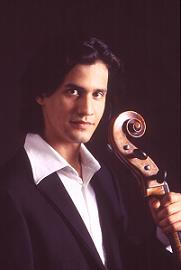
The incomparablePrincipal Cellist, Karen Kocharyan

Unfaltering Principal Horn XuYiqi 徐毅奇

Concertmaster Guo Shuai 郭帅

30 July, 2021

Shenzhen Symphony Strauss Lin Daye

Concert Review: Shenzhen Symphony - All Strauss

July 16, 2021, Shenzhen Concert Hall
Shenzhen Symphony - Lin Daye - Jin Zhenhong - Nie Jiapeng
All Strauss


China is so strict about Covid protocols that they cancel most concerts even after a signle case or two had triggered massive testing but have receded in the city more than a month ago. Sigh, I was looking forward to the same orchestra's Mahler 7th conducted by Li Xincao but it was cancelled. It is a miracle this one happened at all. There are fewer concerts here than in neighboring Hong Kong, and I am resigned.

BUT, this one was a great surprise! Principal Conductor Lin Daye 林大葉 is a known entity who has been around a while but I have never heard him. Concert opened with a crackling Don Juan and it was immediately apparent that the orchestra played much better than in the last concert that I heard (Franck conducted by Ang, blog post below). The orchestra produced an opulent sound (great strings) but it was the sectional excellence that was so gratifying. The Principal Winds and Brass played with immense character and warmth, as they have done on the best occasions in the past. The valedictory playing continued onto an utterly delightful Till Eulenspiegels. It was more than obvious that the players enjoyed themselves; all the players were swaying, as a good European orchestra does. Credit to the conductor, who not only provided a firm rhythmic foundation and kept tension and drama alive, but knew how to relax when necessary. Strauss' tone poems demand quick shifts of mood, and they were duly fulfilled here.

The temperature dropped more than a notch in the second half. Young cellist Nie Jiapeng 聶佳鵬 and Principal Violist Jin Zhenghong 金朕纮 were the soloists in Don Quixote. There are many tender, lyrical and sheerly ravishing moments in this score and they were fully conveyed. On the other hand, the many cacophonous outbursts were scaled down just enough for one to feel wanting, even if they were perfectly played. I am sure the approach was to accommodate the playing of the solo cellist. Although he played with refinement and color, his tone was just too small for the piece. I regret they did not let the cello principal Karen Kocharyan take the limelight - he is an excellent cellist who shines in his solo's (like Brahms Piano Concerto No. 2) - especially since the Viola part was taken by the excellent orchestral principal.

All in all, a wonderful Strauss concert, which is not easy to come by. As one from HK who has gone through the Edo de Waart period, I still remember what he said, that Strauss is the ultimate test for an orchestra. If so, EdW, whom I regard as a kapellemesiter (in its journeyman sentiment) has failed and this performance is several notches above whatever Strauss that I have heard with the HKPO.

23 March, 2014

Concert Review: Shenzhen Symphony Orchestra - Rosel - Ehwald

Concert Review: Shenzhen Symphony Orchestra - Rosel - Ehwald

March 21, 2014, Shenzhen Concert Hall
Shenzhen Symphony Orchestra - Peter Rosel - Christian Ehwald
All Brahms

Peter Rosel must be one of the most under-rated pianist. I have long admired his extensive recordings on Berlin Classics (see his discography); most to me are top tier, including his Rachmaninov and Prokofiev (not surprising given his Russian training with teachers like Bashkirov and Oborin). So I was really excited about the concert.

Needless to say, Rosel had the full measure of Brahms Piano Concerto No. 1, sounding unhurried and bringing out many inner details. As usual, Ehwald and the Shenzhen Symphony delivered idiomatic Brahms. Overall, however, I would have preferred a bit more drive, a more youthful perspective. The end result was just a bit on the plain side, disappointing considering what I have heard on records.

Brahms Symphony No. 2 opened with a leisurely tempo. Ehwald took his time with the next 2 movements too. Compared to his previous performance in 2010 the orchestra obviously played with more beauty (particularly in the winds) and Ehwald was able to cultivate beautiful tutti and chords (so essential in Brahms). However tension sagged a little until the last movement, which was taken at a surprisingly fast tempo, a little coarse for my taste.


20 November, 2013

Concert Review: Shenzhen Symphony All Dvorak

Concert Review: Shenzhen Symphony All Dvorak

November 15, 2013, Shenzhen Concert Hall
Shenzhen Symphony - Uros Lajovic - Arto Noras
All Dvorak

I just love the SZSO; they constantly surprise me with their performances under little known Eastern European conductors who are under-rated and much more worth hearing than many so-called big names (like those bores venerated in HK). This concert is one of the best examples.

Program opened with a rambunctious Slavonic Dance Op 46/8. Coarse, but the spirit was right.

Arto Noras is familiar to me from his CDs on various labels, often in rare works. However, nothing prepared me for the incredibly refined, coherent and singing performance of the Cello Concerto he delivered. His tone is not big, but his fluid phrasing ensured attention; and the top registers, though smallish in sound, were distinctive in timbre and of considerable beauty. Uros Lajovic was a most sympathetic accompanist.

The second half's performance of the New World Symphony was even of a higher order. Indeed near-perfection. To cite a few examples of the delights on offer: various rhythmic figures in the strings were finely articulated and pointed in execution, not a trace of artificiality; the performance just flowed, incandescent and tender at turns; dynamics were carefully graded - the meticulously calibrated crescendos were breathtaking and the climaxes truly thrilling. If one uses one word to describe the performance, it must be grandeur.

Bravo!!!!!


09 September, 2013

Brief Concert Reviews

Brief (late) Concert Reviews

During the period my desktop was down, I did attend a few concerts but, for the first time since the inception of this Blog, failed to write about them in timely fashion. "Reviews" so much later are admittedly only for personal archival purposes, but here they are, with the most recent first:

August 23, Cultural Center Concert Hall
Asian Youth Orchestra - James Judd - Steve Isserlis
Weber: Overture to Der Freischütz
Dvorak: Cello Concert in b minor
Sibelius: Symphony No. 2


No question about it: this iteration of the AYO was a lot better than last year's crop. The concertmaster was sensational and led strongly despite divided violins. The woodwinds were strong and blended well. The horns and brass played confidently and were much better than last year's struggling souls (which included conductor Judd in Mahler). Concert opened with a detailed and joyful Der Freischutz overture.

Steve Isserlis played fastidiously in the Dvorak Cello Concerto (he played this earlier this year with the HKPO, but I was not there), but his projection was on the small side of the scale. The symphonic orchestral part was delivered cogently by Judd. A tight partnership.

The woodwinds shone in the Sibelius Second (and they must for the symphony to sing), which received a well-shaped performance under Judd. Despite a degree of inevitable restraint, the performance must be counted a success.

Interestingly, the same AYO concert in Singapore was reviewed in this Blog.It seems to me the concert I attended was much better played, and I did enjoy it!


photo from NY Times
 
April 19, Carnegie Hall
Staatskapelle Dresden - Christian Thielemann
Bruckner Symphony No. 8

My only concert in NYC. I'd refer you to the dependable NY Times review. I was glad I finally caught up with this great orchestra. I had pretty much made acquaintance of all the great European orchestras (usually in Carnegie Hall) before the iron curtain came down, but had to wait till this year for the Staatskapelle. I have to say the wait was worthwhile.

Based on his recordings for DG, Thielemann has long divided critical opinion. I have followed him for a long time and think he is going from strength to strength. Many of his live video performances are wonderful. In the Bruckner Eighth, he showed strength and patience, and sense of overall structure. I hope to catch up with him soon.

March 8, Shenzhen Concert Hall
Shenzhen Symphony Orchestra - Christian Ehwald - Martina Ruping
Schubert Symphony No. 5 / Mahler Symphony No. 4

This very very fine concert began with a fluent reading of Schubert's Smphony No. 5, not seldom heard but rarely enticing. This was expected of Ehwald, whose greatest strength is his fine sense of line and scale.

Fluency is a word that could be equally applied to the Mahler. But it was considerably more. Aided by the fine acoustics, this was simply the most refined and detailed Mahler Fourth I have heard. The playing, especially the wonderful woodwinds and percussion, could not be faulted.

For once, the soloist was PERFECT! Soprano Martina Ruping had complete command of her material, child-like and beautifully nuanced. What an ending!


22 June, 2012

Concert Review: Shenzhen Symphony - Scott Weiss- Hao Duanduan 郝端端

Concert Review: Shenzhen Symphony - Scott Weiss- Hao Duanduan 郝端端

June 15, 2012, Shenzhen Concert Hall
Shenzhen Symphony Orchestra - Scott Weiss- Hao Duanduan 郝端端
Beethoven-Mozart-Shostakovich

This could be the best concert of the year! The concert proved to be a great surprise. I had never heard of either the conductor nor the pianist beforehand, but just went for the program. Information on the performers are scanty, so let me introduce them a little here.

Biographies
There is very little on the internet on Conductor Scott Weiss (best biography is on Naxos ). Aside from his university career, he seems to be primarily a conductor of wind bands. From the Chinese program book, he seems to have an active career in China, having conducted many of the major Chinese orchestras.

More could be found on 22 year-old Pianist Hao Duanduan 郝端端. Brief biographies can be found in English again at the Naxos site and more info at this French site.


郝端端(DUANDUAN HAO,1990年出生,四岁开始学琴,2001年考入上海音乐学院附小,师从盛一奇教授,2003年由于成绩优秀,免试直升上海音乐学院附中,随后赴法国留学深造至今,师从多米尼克.默赫莱(Dominique Merlet)大师。
 
2004年7月。获“鼓浪屿”第二届中国青少年钢琴比赛少年组第一名
2004年8月,获德国第九届埃特林根国际青年钢琴比赛A组第一名
2008年5月,获第六届法国”Teresa Llacuna”国际钢琴比赛第一名
2008年6月,获第十届法国”Ile-de-France”国际钢琴比赛第一名
2008年10月,获第六十三届日内瓦国际钢琴比赛第二名
2009年11月,获第五届上海国际青年钢琴比赛第一名
2010年10月,获第二十一届意大利“Rina Sala Gallo”国际钢琴比赛第三名
2011年6月,由世界著名的纳索斯公司出版的斯卡拉蒂钢琴奏鸣曲专辑正式发行
 
    郝端端十四岁便与上海交响乐团合作演出柴科夫斯基第一钢琴协奏曲,现在他的职业演奏足迹遍及欧洲,参与了德国”Mecklenburg- Vorpommern”艺术节,瑞士音乐节,法国肖邦艺术节,法国广播电台艺术节,法国里尔钢琴艺术节,法国音乐节等欧洲大型音乐活动。
    他的演奏非常准确地抓住了音乐的内涵,奔放热情,但也具有阴沉忧郁的格调,表现出一种内在、沉思的诗意;他的演奏技巧令人敬畏,眼花缭乱,音色铿锵有力, 光彩夺人,展示了他过人的才华,让人领略到他对乐曲高度的艺术鉴别力,精确的音量控制和令人陶醉的音色,令当今音坛最具传奇色彩的钢琴大师阿尔多.奇科里 尼(Aldo Ciccolini)曾当场称赞“一个世纪才出现一位的辉煌艺术家”。
 
Concert
Although my appetite was whetted by a surprisingly cogent and engaging reading of Beethoven's Fidelio Overture, I was still not quite prepared for the magnificent Mozart Piano Concerto No. 23 that followed. Hao played with extreme economy but the directness of utterance went straight to the heart. His chiseled but damped tone was very beautiful and somewhat reminiscent of the fortepiano. The outer movements were straightforward and the orchestra and conductor were with him all the way, but it was in the sublime Adagio that the performers made time stood still. Here we came face to face with Mozart at his greatest - the music literally sang to us in this deceptively artless rendition. After a hectic day, amid pouring rain, the music was catharsis for tired bodies and minds. Yes, it was the best Mozart I have heard.
 
In the first half I was impressed by the conducting of Weiss, who although economical in gesture kept the orchestra in deft balance between discipline and expressiveness. Both the Beethoven and Mozart were stylishly rendered, no easy matter. The same guidance gave the Shostakovich Symphony No. 5 a rare freshness and purpose. Although shorn of superficial display or bombast, the performance went from strength to strength, turning from inner reflection to a full cry on a dime. The performance had real stature and was among the best I have heard.

I must say I continue to be impressed by the characterful playing of the SZ woodwind players. The percussion section was also superb. It must also be mentioned the important violin solo in the Shostakovich was played to perfection by the leader, a Russian who I think is new to the orchestra.
 
Bravo!

02 October, 2011

Concert Review: Shenzhen SO - Ehwald - Ning Kam

Concert Review: Shenzhen SO - Ehwald - Ning Kam

23 September, 2011, Shenzhen Concert Hall
Shenzhen Symphony-Christian Ehwald-Ning Kam
All Shostakovich

For some reason, the Shenzhen Symphony loves to program the Shostakovich Violin Concerto No. 1. Just three months after the forgettable performance by child prodigy Gao Tianyang came this much better performance by Singaporean Ning Kam.

The press release touted the tone of her 1793 Storioni. Indeed, her tone was surprisingly beautiful and supple. More importantly, commitment and temperament were evident from the first note. In the rapid passages, I felt she short-changed the notes a little too much in exchange for a lighter dancing-on-the-strings feeling, and the fully macabre nature of the work was again not brought out in full, but it was a winning performance. The audience loved her and her Gershwin encore.

This was the second all-Shostakovitch concert I heard under Ehwald. The previous one in 2009 featured the same concerto, given a stunning performance by Antje Weithaas, still the benchmark! This time the Symphony No. 8 was played with some of the same quality as the previous No. 10, and I quote myself:

"...A similar Germanic resilience pervaded the symphony...The complete grip of architecture and non-sentimental approach reminds me of performances of the several Shostakovich symphonies that I have heard conducted by the excellent Gunther Herbig on record (Berlin Classics; available in the library). As in the concerto, I'd prefer a little more abandon and sardonic wit. The orchestra tried very hard, but their grasp of Shostakovich, in contrast to Brahms, was not quite that of the HKPO (in performances by the likes of Jaap Van Zweden and Mark Elder and I now add Lazarev)..."

In Ehwald's hands, the inner movements fared better than the outer ones. In fact, in those movements the playing had quite a bit more bite than the previous No. 10. In contrast, the outer movements seemed a little plain. The SZSO could do better in Shostakovich, as evidenced by the brilliance of Zhang Guoyong's No. 15 and Fred Buttkewicz's No. 11.

I must cite the astonishingly virtuosic playing of the percussion section. That lady bass-drummer was perfectly in sync with the tympanist. Thrilling!

11 August, 2011

Concert Review: Shenzhen SO - Ehwald - Ma Vlast

Concert Review: Shenzhen SO - Ehwald - Ma Vlast

July 29, 2011, Shenzhen Concert Hall
Shenzhen Symphony Orchestra - Christian Ehwald Smetana Ma Vlast

Christian Ehwald returned to conduct the last concert of the SSO season. The program consisted of only one work, a rare treat of the complete Ma Vlast, though regrettably there was an intermission.

I cannot have enough praise for Ehwald's fluent conducting of this mammoth work. Smetana composed this work over a long time, and the individual tone poems in lesser hands do not always feel like part of the same fabric. Despite the intermission, Ehwald most skillfully knitted the work into an organic whole, no mean feat.

Ehwald natural phrasing was always evident, and as usual was mindful of structural integrity. Under his steady but gentle leadership, the orchestra warmed up quickly, blossomed and went from strength to strength. The beautiful playing of the harpist (not the Russian leading lady) set the mood, but it was the woodwind section that really shined above everything. The "pictorial" depictions demand the utmost of the woodwinds and they delivered in spades. The winds had to play almost non-stop, and up and down the scale. Take one example, the opening of Vlatva, when I watched the recent movie "Tree of Life", which uses this music, I instantly recalled the woodwinds in this performance, of the utmost coherence and beauty, really as good as the soundtrack (supposedly from the incomparable Czech Philharmonic)! Of such integrity was the performance that the closing pair, Tabor and Blanik, truly brought the piece to a resounding conclusion.

16 July, 2011

Concert Review: Shenzhen SO - Fred Buttkewitz - Shostakovich

Concert Review: Shenzhen SO - Fred Buttkewitz - Shostakovich

8 July, 2011, Shenzhen Concert Hall
Fred Buttkewitz - Bai Ming 白明
Shostakovich-Hindemith-Borodin

White birds flying against a terrible black sky
Before I went into this concert, I tried to dig up info on the rather anonymous German conductor Fred Buttkewitz. The only detailed info was available in German, on the website of the National Youth Orchestra of Hamburg, of which he is Chief Conductor (Google translation of bio). It would appear he is yet another of those German kappellmeisters who came up through the ranks of their substantial network of radio orchestras (which is good training, no doubt). I did not have much expectation, but I was surprised from the start.

Borodin's In the Steppes of Central Asia is nothing if not atmosphere, and the marvelous winds delivered it right from the start, and beautiful strings followed. It was also clear Buttkewitz was not into micro-management and focused on the long line. The next piece for viola and small orchestra (no upper strings), Hindemith's Der Schwanendreher, proved more problematic. This is difficult music that takes more than good playing to come off. Although the orchestra and soloist (section leader) Bai Ming 白明 played safe, and Buttkewitz showed good control, the performance was too soft to display the neoclassical flavor and the jagged rhythmic patterns so essential to this composer's works. Nonetheless, a good try at a piece of difficult music that is certainly not a crowd-pleaser. A bonus came in the form of the contribution by the Russian lady harpist, of subtle and great beauty; and she in the encore of Chinese transcription outshone the violist!

The second half of the substantial program was a magnificent, and magnanimous, account of the Shostakovich Symphony No. 11. Compared with the 6th, this symphony perhaps is not as difficult to bring off, but with last year's seemingly definitive (I'd say immortal) June 4 performance by HKPO under Alexander Lazarev still fresh in the mind, before the performance I had thought I might be disappointed.

Quite the opposite happened: the performance in this sonically resplendent hall was a "symphonic" revelation that taught me much about the music and to look beyond the graphic episodes. For insight on this symphony, I'd refer to to the excellent CSO program notes.

The first movement was a little slower than usual, a little plain even, but it unfolded steadily and inexorably under Buttkewitz' steady baton, with hardly any rubato, building up quite powerfully to the second movement. The musical jostling before the massacre was well conveyed. The events of January 9th, 1905, were depicted with great power. I had thought it would not happen, but slowly and surely tears rolled down my cheeks. The SSO was perhaps not as vehement and graphic as the HKPO under Lazarev, but the playing was precise and superlative, with the weightiest sonority I have heard yet from this orchestra.

After the brilliance of the first two movements, many performances (both live and recorded) lose ground in the next two movements, which in lesser hands become anti-climatic. Emphatically not so here. As a matter of fact, under the steady direction of Buttkewitz I became intensely aware for the first time of what Shostakovich was trying to convey in the second-half of the symphony. Reminiscence, remembrance, yes; but to overcome is the riding goal. The music may sometimes collapse or lurch forward awkwardly but it is always forward, no matter the cost. The past (in musical quotation) comes back to haunt us, but is always beaten back by heroic calls of change (in musical quotation). There is always something new in the horizon, but never just exchanging one form of brutality for another, instead something more magnanimous and forgiving of the unspeakable past. In this performance, the symbolism of the kaleidoscopic shift of material became clear as day. In this respect, the second half even surpassed the HKPO-Lazarev performance in elucidating Shostakovich the enigma.

Attendance was abysmal, but the crowd was speechless and enthusiastic at the end. For once, in SZ, I was not at all the only person yelling "Bravo!" My hats off to the conductor and orchestra.

The great Anna Akhmatova said of Shostakovich's use of old songs (from CSO notes) in this symphony: “Those songs were like white birds flying against a terrible black sky.” And so I understood at the time of performance.

The greatest music are unfathomable, and it takes a lifetime to plumb the depths. Reckonings during a live performance are moments of magic and uncommon. For this, I am grateful for this wonderful performance.

去年的六四,Alexander Lazarev 指揮的港樂給了我們一個永遠難忘的蕭氏第十一號 (點擊這裡)。我以爲這次深交的演出一定會給比了下去,但令人雀躍地,事實並不是這樣。在默默無名的 Fred Buttkewitz 領導下,深交的演出面面俱全, 感人之餘極具深度,再次證明好的音樂是無窮盡的,只待有心人去演繹。

指揮很有耐性,把曲子處理得有條不紊,非凡地一氣呵成。用畫面點的語言來形容的話,在漫長的第一樂章乃至第二樂章大屠殺高潮前,指揮緩而有力地營造了各種躍動,不安,恐懼與威脅的氣氛。大屠殺的刻畫理性,毫不揭斯底理,但仍然異常震撼,令人愕然淚下。 最難得的卻是下來的兩個樂章,結構性強的處理令我聽到了蕭氏各主題裏的主導性和相互關係: 各主題互相的鬥爭,在巨大犧牲後,時代的巨輪下擠出了艱苦的勝利。

是場觀衆稀少,但幸好較多知音者叫好,不負演出者的苦心。曲目該是耳熟能詳,我卻有驚艷甚至於受啓蒙的感覺。聼音樂能有這樣感受並不尋常,知足感恩。

上半場先是 Borodin 《亞細亞草原》,可喜地奏出了氣氛。下來的 Hindemith《烤天鵝的人》中提琴協奏曲,曲目艱深,中提琴首席白明演出穩健,但缺神采;樂隊也一樣,沒能奏出曲子應有的節奏感。

08 July, 2011

Concert Review: Shenzhen SO -Zhang Guoyong - Shostakovich

Concert Review: Shenzhen SO - Zhang Guoyong - Shostakovich

17 June, 2011, Shenzhen Concert Hall
Zhang Guoyong 張囯勇 -Gao Tianyang 高天陽
All Shostakovich

For the world, I wouldn't miss most Shostakovich concerts, not to say one conducted by the wonderful Zhang Guoyong 张国勇, whom I wrote about in great length after hearing
his magnificent performance last year of Shostakovich Symphony No. 15.

That valedictory performance of an enigmatic work still resounds in my mind as if freshly minted. For this concert, I applaud Zhang for choosing yet another enigmatic work from the composer's cannon. Shostakovich symphony No. 6 seems to be gaining in status, and I refer you to this plainspoken but excellent program note for more info.

This symphony is difficult to bring off in concert or on records. Despite my profound admiration for Zhang, I regret to say I found the performance not entirely successful. Needless to say, Zhang shaped the piece well, and the orchestra played very well for him, but the work needs more management than usual, more color, more sarcasm, and less politeness when called for. Ultimately, the performance lacked the magic brought by the wonderful Mark Elder in a 2008 performance with the HKPO.

A similar plainness marred the performance of the Violin Concerto No. 1. I felt the 19 year-old soloist Gao Tiangyang 高天阳 was technically secure but he not surprisingly skimmed over the surface of the score. The opening Festival Overture fared better.

在蕭氏的交响樂裏,有些
(像第 5,7-12 號) 比較容易定位及找到演出方向;另一些卻比較困難,而可嘉的是 張囯勇 這兩年在深交演的都屬於後者。去年的 第 15 號 令我大爲震撼,但今年的 蕭氏交響樂第 6 號 卻沒能再次替我帶來同一程度的驚喜。說老實話,我是認爲這曲子是更難更深的。樂隊表現雖然不錯,而 張囯勇 的演繹也平穩明確,但整體缺乏了必需的神來之筆,效果遠不及 2008 Mark Elder 港交的演出

上半場的 小提琴協奏曲第一號 有點乏味。
小提琴獨奏 高天陽 才十九嵗, 技術沒有問題,但沒能演繹出曲子應有的風格及變化;同樣深交,比起 2009 年 Antje Weithaas 的演出 相差甚遠。開場的 節日序曲 平穩之餘也嫌喜慶不足。

附錄:小提琴独奏高天阳生于1992年,5岁习琴,曾获得2001年上海“索乐杯”少儿小提琴比赛第一名,2005年罗马尼亚国际小提琴比赛少儿组第一 名,2006年第八届中国小提琴演奏比赛少年组第二名及少年组“中国作品演奏奖”,2008年在梅纽因国际小提琴大赛中也取得了好成绩。

08 April, 2011

Concert Review: Shenzhen Symphony Orchestra Mahler Symphony No.3 深圳交響樂團 馬勒 第三交響曲

Concert Review: Shenzhen Symphony Orchestra Mahler Symphony No.3 深圳交響樂團 馬勒 第三交響曲

March 11, 2011, Shenzhen Concert Hall
Shenzhen Symphony Orchestra - Christian Ehwald - Bhawani Modennsad
Mahler Symphony No.3
深圳交響樂團 - 深圳高级中学百合少年合唱团 - 深交女生合唱团
馬勒 第三交響曲

Given that SSO often make changes at the last minute and that the website is woefully lagging behind in information, I was skeptical that the inaugural concert would feature the gargantuan Mahler Third. A call to SSO a week before the performance confirmed that indeed that was to take place. I told them that they really should list the names of the soloist and the choirs on the website. Well, they did for the soloist but not the choirs.

Imagine my excitement that the concert did materialize! The choirs were listed in the program book, but the contralto had changed from Carolyn Masur listed on the website to Bhawani Moennsad. Considering this was the Spring inaugural concert, attendance was a little low.

The first movement went well technically after the secure start by the brass. The orchestra sounded empowered but a little cautious. The proceedings became more fluent after this when the woodwinds started to gel together. Indeed, one of the most impressive aspect of this performance was how well the instruments, particularly the woodwinds, played to each other with great character, indeed evocative of flowers and animals if one were to invoke Mahler's own words. The dialogues felt like chamber music and were precious. In these inner movements the SSO/Ehwald got to the heart of the music much better than the HKPO/EdW did, and I greatly enjoyed it. In passages of more overt brilliance the SSO sounded more together than their previous Mahler outings, less powerful than HKPO perhaps but no less enjoyable due to the fluid conducting of Ehwald. The choirs sang well and were not obviously embarrased by diction, no mean achievement! One only wished there were more boys in the student choir; less than a handful is not quite enough! The soloist is probably more a mezzo than alto, so although she sang beautifully, the lower registers lacked power and color.

This was the best Mahler I have heard from this orchestra and I truly enjoyed it. It is the mark of a good conductor to focus the listener on the music. It is too bad that all too often with over-rated "maestro's" everyone, including the conductor, critics, sympathizers at el all point out the inadequacies of the orchestra and the hall as an excuse for why the music failed to move. This performance moved me, and that is more important than anything else.

The performance received scant coverage from the press. Some I was able to dig up:
博客 報道
深圳特區報 報道

07 April, 2011

Christian Ehwald Interview 专访指挥家爱华德

Christian Ehwald Interview 专访指挥家爱华德

Note: I am a fan of conductor Chritian Ehwald, who's has done great work with the Shenzhen Symphony Orchestra. Under Ehwald, the orchestra has already performed the first six Mahler symphonies. If this were HK, he would have been touted as a godsend, a great Mahlerian. I just hope his good work continues and was happy to find an interview of him in the local newspaper. Shenzhen is not an international city and sorely lacks good English media, which makes me admire the work of Ehwald even more. 默默耕耘,that is silently doing good deeds, would be an apt and noble accolade in Chinese for this wonderful conductor.


专访指挥家爱华德:让乐队成员学会彼此聆听

来源: 深圳特区报 作者: 王俊

爱德华指挥乐队演奏

爱德华指挥乐队演奏

指挥家克里斯蒂安-爱华德

指挥家克里斯蒂安-爱华德

  “小提琴,请让你们的音色更饱满一点!”,“铜管乐请把握好进入旋律的时机!”3月22日下午,罗湖区黄贝路一角的深圳交响乐团排练厅内,满头银发的克里斯蒂安-爱华德操着一口流利的英语,用清晰明了的指挥将整个乐队带入了普罗科菲耶夫《第五交响曲》的音乐世界。

  从2008年3月来到深交任音乐总监至今,爱华德的异国执棒生涯正好度过了三个年头。这三年,这位在台上不苟言笑、台下却和蔼可亲的德国老头令深交的演奏水平焕发出了别样的光彩。这支乐团的进步让所有关心它的人有目共睹。

  三年约满之际,爱华德毫不犹豫地与深交再次续约。他对本报记者说:“我眼看着音乐让深圳美好起来。我有信心让交响乐成为深圳的城市之光。”

  1、调教乐团犹如调制鸡尾酒

  2011年的深交首场音乐季演出,演奏的是马勒《第三交响曲》,场面恢弘,效果震撼。颇具意味的是,三年前,爱华德作为中国首位外籍音乐总监入 主深交时举行的首场演出,演奏的同样是马勒的作品,当时是《第五交响曲》。在自己与深交的两段合同期伊始,爱华德都选择公认为演奏难度之王的马勒作品,是 不是有什么寓意呢?

  听到记者的问题,爱华德神秘地笑笑说:“也许吧。马勒确实是我最钟爱的作曲家之一,也是交响乐团演奏水平的试金石。我确实想让大家听一听,深交在这三年中发生了多么显著的不同。”

  如果观众在音乐会上正巧坐在乐团的后方,那么,除了聆听音乐之外,欣赏爱华德的指挥也是一种享受。他手中的指挥棒划出一条又一条美丽的弧线,辅 之以丰富的面部表情和形体动作,将不同音色的乐器“归拢”到音乐主题下,时而如丝绒般柔滑,时而如洪钟般响亮,将听者的耳朵“伺候”得非常舒坦。

  三年时光,深交在爱华德的调教下一点一滴地发生变化。他说:“在我刚刚来到深圳的时候,乐团虽然也可以演奏马勒,但是音乐的感觉表现得还不够充分。而现在乐团犹如一个倾诉者,已经能够传递出音乐更多的意义和内涵,呈现原汁原味的声音。”

  俗话说:“外来的和尚会念经”。让这支成长中的城市乐团发生脱胎换骨的变化,爱华德究竟施展了什么样的魔法?他透露道,秘诀就是让乐队的每一位 演奏员学会互相聆听,用拉室内乐的感觉感受他人的声音,协调彼此的音量与音色,而不是你拉你的、我拉我的。这样,乐队才能成为一个整体,传达出的音乐才能 打动人。

  “调教乐团就像调制一杯鸡尾酒一样,急不得,只有用心配制各种元素,音乐才能像酒一样醉人”,爱华德比喻说。

  2、“乐章间鼓掌”不必太介意

  几乎每场交响乐音乐会上,同一首乐曲的乐章之间,总会响起观众不合时宜的掌声。此时,爱华德总是轻轻地放下指挥棒,静静地站在指挥台上,等观众安静下来之后,再让下一个段落的音乐响起。

  从交响乐基础深厚的德国来到交响乐文化并不普及的深圳,屡屡碰到这种现象,爱华德会不会感到失望?令记者意外的是,爱华德对此并不以为意。他 说:“其实乐章之间鼓掌在欧洲也会有的,问题不是很大。我只考虑能否把音乐内涵传达给观众,观众能够感受到我们表达的意思和音乐传达的东西,在观众与乐队 之间引起共鸣就可以了。音乐应该成为轻松的东西。只要观众喜欢,乐章间鼓掌没什么关系的。”

  由于身兼德国柏林音乐学院指挥系主任和深交音乐总监双职,爱华德每年都在柏林和深圳之间飞行穿梭——四个月在深圳,八个月在柏林。许多观众疑惑的是,深交音乐总监的责任应该不仅是指挥几场音乐会那么简单。爱华德不在深圳的那八个月中,如何“遥控”乐团的音乐业务呢?

  爱华德解释说,作为音乐总监,他的主要责任是带给乐团表达音乐、感受音乐内涵的方法。他不在深圳的八个月间,亲自出面邀请了不少指挥家为深交担 任客座指挥。这些指挥家每个人都有自己的长处,能够为乐团带来更丰富的理念,从而让乐团发展得更快、更全面。他自己在柏林也随时关注着乐团的排练和演出。

  在深三年间,爱华德眼看着深圳的古典音乐氛围愈发浓厚。音乐会越来越频密,走进音乐厅的观众也越来越多,人们对深交演奏的音乐表达了由衷的喜爱,让他格外欣慰。爱华德说:“交响乐犹如城市上空的一束光,能够让这里的文化风景呈现出亮色。”

  3、爱深圳就像爱音乐

  记者注意到,与三年前相比,如今的爱华德发间又添不少银丝。每次排练完后,他总喜欢一个人坐在办公室里,点上一支烟斗,静静地品味属于自己的时 光。而演出完后的周末,爱华德总是和自己的妻子一起,到附近的东湖公园去走一走感受那份绿色,在离家乡有万里之遥的深圳,爱华德的生活过得挺惬意。

  “我喜欢中国,喜欢深圳!”爱华德毫不掩饰自己对这里的喜爱之情。虽然在深圳,他的德国“老乡”们并不多,然而,爱华德并不感到寂寞。每次来 深,他相濡以沫的妻子都会陪着他来到这里。音乐会上,细心人总能发现那位恬静的德国女子坐在观众席的某个角落,静静地注视着台上丈夫的背影。

  爱华德从小就迷恋中国文化。早在上世纪五十年代,他的父亲的一位助手便是中国人。通过这位助手,爱华德很早就接触并迷上了中国文化,对中国传统音乐与建筑艺术尤其感兴趣。这也是他决定不远万里来中国执棒的原因之一。

  在排练演出之余,爱华德常常带着妻子到北京、上海、桂林去感受中国的神奇。为了表示自己对中国的了解,爱华德举例说:“从吃东西这件事情上,我 可以感受中国的风土人情。比如四川人、湖南人喜欢吃辣,说明他们是‘不好惹’的;江苏人、浙江人喜欢吃甜,表示他们的性格比较温顺。”

  爱华德究竟有多么喜欢深圳?他打了个比方:“就像爱音乐一样”。因此,当与深交的上一份合约到期时,爱华德主动提出再续前缘。他说:“我希望和深圳人一起,分享音乐带来的无限美好。”

  深圳音乐未来大有可为

  ——对话爱华德

  记者:从诞生了贝多芬的国度不远万里来到深圳,执棒一支新兴的城市乐团,而且一呆就是三年,什么动力驱使您有这样的举动?

  爱华德:中国交响乐虽然起步稍晚,但这里的人对音乐有澎湃的热情。这种热情就意味着巨大的机会,形成了良好的艺术气氛。这是吸引我来到中国、来到深圳的主要原因。我希望能通过自己的努力让这里的人享受到更加纯正的古典音乐。

  记者:但中国的交响音乐与欧洲还是有较大的差距,在你看来应当如何弥补?

  爱华德:其实深交有很多优秀的演奏家,但他们需要把声音更加密切地融合在一起,注重音乐的整体表现。一支乐团要通过精心的打磨,形成比较稳定的团队合作气氛,创造出属于自己的艺术传统。我的目的正在于此。我相信这座城市的音乐未来仍然大有可为。

  记者:三年来,你为这支乐团带来了怎样的变化?

  爱华德:最重要的是音乐的表达,乐团开始表现出自己的音乐色彩,大家的演奏融合为一个声音的整体,另外你能够听到这支乐队的演奏会更富有情感,更清晰地体现出音乐的质感。

  记者:你仍然担任着柏林音乐学院指挥系主任,奔波于两个相隔遥远的国家之间完成两份工作看起来很艰难,你如何协调工作时间?

  爱华德:我会把自己教学之余的休假时间全部投入到深圳,每年1月、3月、7月和9月都会在深圳专注于乐团业务。

  记者:你个人喜欢哪些作曲家的作品?会不会影响到乐团的风格走向?

  爱华德:马勒就是我喜爱的作曲家之一,舒伯特、贝多芬都对我有较大影响。我比较倾向于浪漫派的音乐,不过作为音乐总监,我还是希望乐团能够兼顾不同的风格,比如现代派的音乐应当有所涉猎。(深圳特区报记者 王俊/文 齐洁爽/图)

25 July, 2010

Concert Review: SZSO-Ehwald-Laloum

Concert Review: SZSO-Ehwald-Laloum

July 23, 2010, 深圳大劇院
深圳交響樂團-Christian Ehwald-Adam laloum
Brahms-Tchaikovsky

是日並沒暴雨,也沒大塞車,但觀衆仍然慢條斯理地遲到,令人厭煩。上半場是 Brahms 鋼琴協奏曲第二號,到了尾樂章時仍有人入席。

Adam Laloum 駝著背,看來弱不禁風,真的有點像 Francois-Frederic Guy。他 2009 年獲得 Clara Haskil 國際鋼琴大赛第一名(也看看這個 Blog),技術故然不差,但論力度卻不在強手之列。 第一樂章大家比較謹慎。聼得出 Laloum 細膩之處,但 Brahms 的激情就差了點。樂隊也只是不過不失, 缺點流暢。第二樂章開始漸入佳境, 有點火花; 第三樂章的大提琴獨奏異常吸引 (代理首席吳臻, 留意他很久了,是一個很好的樂手)。整體上, 是一個好演繹,但欠缺了生動的舞曲感,沒臻先前 Brahms 的最高水準,也再一次印證鋼琴協奏曲第二號是難度特高的曲子, 對獨奏和樂隊都是最高的挑戰。Encore 是 Brahms 的 Intermezzo Op 117 之一, 彈的很慢,但很有味道。這個鋼琴家值得留意。

下半場本是 Brahms 第二號交響曲,調到上星期了,取代的是 Tchaikovsky 第五號交響曲。我問了團長,原來這一切的調動都是因爲應付 30 號在上海慶世博的音樂會。果然嚴陣以待之下,表現就是不一樣, 精確得來更是流暢,感情表達奔放但不濫情, 難得一聼, 尤勝港樂同曲幾次味如嚼蠟的演繹,這令我對 Ehwald 演奏俄國音樂刮目相看。

18 July, 2010

Concert Review: SZSO-Ehwald

Concert Review: SZSO-Ehwald-Drost

July 16, 2010, 深圳大劇院
深圳交響樂團-Christian Ehwald-David Drost
Prokofiev-Brahms

是日颱風效應, 深圳大塞車, 快八點入場時,場内空空如也。 團長陳川松出來説遲十分鐘開場, 大家包涵。

上半場開始了,觀衆還是不停地陸續入場。Prokofiev Symphony Concerto for Cello and Orchestra 是首很長的曲子, 居然到了第二樂章尾那些門還是在開開關關, 非常擾人。無論什麽原因, 叫準時的人去將就不準時的人,是不對的, 也不公平。

David Drost 是新秀, 把一把新琴拉得很好, 只是低音稍嫌薄弱。兩個德國人的演出很是工整,節奏上可以更鮮明些。這曲子比有些交響曲還長,變化多,不容易處理,能聽到就很滿足了。

下半場由原本的 Prokofiev Symphony No. 5 改爲 Brahms Symphony No. 2Ehwald 的演繹雄風斗斗, 一氣呵成, 可惜的是這晚木管和銅管稍微失色,銅管首席更是不穩定,令音樂婉轉之處未能達意。整體沒有以前 No. 3 和 No.4 出色。

15 June, 2010

Concert Review: SZO-Shostakovich -張國勇

Concert Review: SZSO-Shostakovich -張國勇

June 12, 2010, 深圳大劇院音樂廳
深圳交響樂團 - 張國勇 - 賈然
Saint Saens-Shostakovich


六四 HKPO-Lazarev 激昂的音樂會還在腦中回蕩, 沒幾天後卻是深圳交響樂團的蕭氏第十五號。 我本想難免會有點“反高潮“的感覺,但事實證明剛好相反, 我的憂慮是多餘的。

我去聼的原因之一當然是因爲曲目吸引, 但更大的是我想聼 張國勇 的表現。我在 2007 年聼了他伴奏的音樂會後(見下面的附錄),就覺得他是個非凡的指揮 。這天,看了場刊裏 張國勇的資料 後,就有了期待。不單因爲他在俄羅斯受過教育,對蕭氏肯定有深刻的了解, 更因爲他原來是 Rozhdestvensky 的學生!Rozhdestvensky 從蘇俄時代到現在都是俄國音樂圈裏擧足輕重的人物, 對蕭氏的了解更是第一手而非一般的。 老師對學生的評價極高:“...I am awarding Zhang Guoyong the highest mark in the history of the conducting department in the Moscow Conservatory. He can most assuredly take his place in any orchestra throughout the world!...”

第十五號蕭氏最後一首交響曲,寫的時候蕭氏是知道自己快死了。 曲子的風格奇特,可説是蕭氏在他生命中又一次的“反高潮“。曲子肯定是言之有物,但隱晦中説的到底是什麽就備受爭議。我們先看 國立臺 灣交響樂團 對此曲的描述:

"...《A大調第十五號交響曲,Op.141》寫於1971年蕭斯塔可維奇健康日益惡化之時。第一樂章帶著些許孩童的天真氣息,另外也嘲諷成人在共產體制下被矮 化成傀儡;曲中所引用羅西尼《威廉泰爾序曲》的片段,則暗示著召喚革命的浪漫理想,而玩具化的配器也有意突顯俄羅斯中央監獄的對面竟然是中央玩具店。第2 樂章的長號主題係取自一首囚犯歌曲,整個樂章的基調則為嘲弄與憤怒。第3樂章挖苦與諷刺的調子亦十分明顯。第四樂章引用華格納《指環》裡的命運動機、《齊 格飛》葬禮音樂的反覆節奏和《崔斯坦與伊索德》的開頭音符,以及蕭氏自己《第七號交響曲》裡的進行曲,最後則迂迴到嘎嘎響的死亡骸骨。基本上,此曲可謂蕭 斯塔可維奇向現實、過去的影子和音樂美麗世界的告別之作。指揮大師蕭提1997年3月所錄下的版本,係他跟芝加哥交響樂團的最後錄音,整體演出室內樂般透 明紋理和合奏完成度,節奏活潑,表情洋溢華格納式神祕。結尾打擊樂器的聲音漸去漸遠,大師也彷彿就此消失於人間,很虛無,卻令行家熱烈感動。..."

張國勇向觀衆對此曲做出了幾乎 10 分鐘的講解, 重覆強調:(1)藝術家在暴政下表面的妥協和骨子裏的反抗; (2)快死的蕭氏覺得自己一輩子都在不安和憂傷下過日子,但不能死的時候都是這樣, 故此採取了抽離的風格。張國勇的解説平實自然, 像對話一樣;希望多些指揮可以這樣做。

今年深交的音樂會有異往年的是回歸了大劇院。 大劇院的設計酷似我們的大會堂,音效也是粒粒皆清楚, 唯一的遺憾是小了點,臺上顯得擁擠, 而強聲時不免有點超載的感覺 。

張國勇指揮的風格跟他的講解一樣樸實,可說是毫不起眼,但在他的指揮下樂隊的表現近乎完美,無論在深度或技術層面上都超越了樂團去年的第十號。先前用來形容蕭氏第十一號/Lazarev 的文字,只用改一點點同樣可用在這裡:

“蕭氏很多作品,包括第十五號, 演繹最難的是對連貫性的要求。各種的微弱聲音滿佈此曲, 平庸點的演繹會令人在刺激過後容易產生乏味的感覺。在這些地方張國勇沒少費周章, 在一個緊接一個隊員或聲部身上張羅到豐富的色彩, 描繪了萬生態的哀樂, 扣人心弦。“

在這曲子的表現上,深交的木管及敲擊樂的出色程度甚至超越了上一場的港樂。各種的敲擊片斷演出了時鐘的踢踏,敲響的警鐘, 心悸後的恐懼, 在不規則裏對平安的緬懷。越聼下去越覺得時光漸在流逝,心頭更浮出不安及唏噓交錯的感覺。那是先前在臺北聼同一曲目 (Michael Sanderling 指揮臺北市立交響樂團) 時沒有感受到的。

在我的心靈上,兩場的蕭氏是分不開的聯體,第十五號明顯地延續了第十一號的意義,共同替我帶來了對蕭氏更深的認知, 也是我聼過最令我感動的蕭氏。心裏面有感恩的感覺:活著的人怎能忘記無辜地死去的人?也覺得安慰:在這浮華的年代,有心人還是有的; 在這廖化當先鋒, 肉麻地叫大師前大師後的年代, 非凡的指揮和音樂家, 也就是默默耕耘的有心人,還是有的。

上半場是 Saint SaensDanse Macabre 後演出了第二號鋼琴協奏曲。鋼琴新秀賈然的技術非常扎實,伴奏也到位。整體來説,這法國音樂缺了一點輕鬆的感覺。你也可以在港樂來季聽到賈然

坐在旁邊的是一位很漂亮大方的女士 。 我問她在替誰錄像, 才知道她是俄羅斯大號首席 Anton 的妻子, 也是一位鋼琴家。 聊天時她也說張國勇是很棒的指揮。在香港張國勇通常會指揮中樂團或替歌唱家伴奏, 希望未來他能有機會指揮點交響曲目。

附錄 1:廣州日报訪問提及蕭氏及老師 Rozhdestvensky全文

...广州日报:在中国指挥界,你被公认是肖斯塔科维奇交响曲的最佳诠释者,能不能谈谈你的心得和体会?

  张国勇:我偏爱肖斯塔科维奇,原因是我不仅喜欢他独特的音乐语言以及高超的作曲技巧,更重要的是,我很敬重他的人格,他是一位讲真话的音乐 家。要更真切地感受一个作曲家及其作品,就一定要到他生活的环境、地域里去寻根。我在俄罗斯的学习生活经历对我指挥俄罗斯作曲家的作品帮助很大,而且我与 一般较年轻的留学生不同的是,我在俄罗斯学习时年龄相对稍长,有一定的工作和实践经验,也有一定的文化经历。我就不只是纯粹地学习技术,而是在感悟文化, 感悟人生,感悟历史。这可能也是我的演绎带给听众的比较特别的一点吧。

  广州日报:您的恩师国际著名指挥大师罗日杰斯特文斯基也是一位演绎肖斯塔科维奇作品的权威,能跟我们谈一下他对您的影响吗?

  张国勇:我的老师罗日杰斯特文斯基是一个充满睿智和文化的人。他和肖斯塔科维奇生活在同一个时代,也有很好的私交。我的老师对肖氏作品的理解 是第一手的也是最真实的,很多肖斯塔科维奇的作品还是他首演。我认为,我的老师在对音乐结构的宏观把握方面做得尤为出色,非常有逻辑性和合理性。..."

附錄 2:24/03/2007 上海歌劇院交響樂團-陽光-張國勇 (我寫於 2007)

"...The hall was packed with an enthusiastic audience (frequently the case with mainland artists). I was really surprised when the orchestra came out, so young!...The real surprise is the orchestra。 They played with concentration and verve under Zhang Guoyong, who conducted with concision and incisiveness. The opening Rossini Barber overture was dramatic. The strings were excellent and had big, dramatic, penetrating power. Most surprising was the lack of “Chinese sound” and the orchestra’s grasp of all the musical styles. Even the Mozart pieces were delivered with élan (that cannot even be said of the HKPO); the beautiful clarinet playing of ?Li Cong almost took my concentration completely away from Yang Guang. The winds were in general very good, except for the sound of the oboe (instrument?). The brass was surprisingly secure and warm. I think this is already a better orchestra than the Sinfonietta and the Macau. And it played the various styles in a more versatile way than the HKPO. For an orchestra so young it is an amazing accomplishment. I look forward to hearing them again. .."


Shenzhen Symphony Orchestra

30 March, 2010

Concert review: SZO-Ehwald-Mahler 1st

Concert review: SZO/Ehwald/Mahler 1st

March 12, 2010, SZ Concert Hall
Shenzhen SO/Christain Ehwald/Zhang Le 张乐
Brahms/Mahler

The past month has been really busy and I have been too busy to keep up. This is written from NYC.

For the last two months and more, there has been a complete lack of information about upcoming concert events of the SZO from their nearly useless website. Well, I thought to myself, maybe it's just the Chinese New Year. But then well into March and nothing. I was beginning to think crazy things, like, has the SZO suffered a political turmoil? Insufficient funding? Who knows!

I was preparing for my trip back to NYC and decided not to go to the Ashkenazy concert on Friday. But on that morning, I checked and was astonished to find that that evening there was the SZO inaugural concert for the Spring season, and Mahler no less! I re-shuffled my engagements and headed north late afternoon.

The opener was the Brahms Violin Concerto with concertmaster 张乐 as soloist (Wang Sze Hang acted as guest concertmaster). This was my second experience of this piece with this orchestra, the first being in 2008 (read review here)! In this very different venue, 张乐 actually sounded better and sweeter in tone than the previous soloist Chen Xi 陈曦, and he certainly did not break a string. He was notably smoother and his playing had a better breath. The accompaniment was excellent. However, overall a little tension is lacking.

I was relieved when I saw the large orchestra for the Mahler 1st. Perhaps there has been no funding cut? The performance was pretty much as expected for this conductor (review of Mahler 6th here). Firm grip of architecture, excellent balance and grading of dynamics.The opening pianissimo was ravishing but not quite mysterious or brooding enough. The climaxes were a little congested, and the tympani sounded distorted in my seat (a little further back in the orchestra than usual) during the pandemonium opening of the fourth movement. The brass did a very good job and the winds were solid. Huang Zheng has left for the Macau Orchestra, but the acting first desk oboe lady has always been very good and there was nothing to worry.

Again, what a horrible administration! Updating the website only shortly before the season begins? Asinine! However, I glanced at the schedule and there are quite a few things later in the season that is attractive. Stay tuned.

p.s. The 面点王 restaurant inside 书城 is a good place for a pre-concert meal. You can have a light one, or a heavy one, as you wish.

21 September, 2009

Concert Review: SZSO-Weithaas-Ehwald

Concert Review: SZSO-Weithaas-Ehwald

September 17, SZ Concert Hall
Shenzhen Symphony Orchestra-All Shostakovich

I had come across Antje Weithaas (impressive biography here) several times previously in various chamber music compilations from Lars Vogt's excellent Heimbach "Spannungen" Music Festival (EMI, some available from the library; also AVI). I also admire her perfection in leading the magnificent Arcantro Quartet, whose Bartok cycle sets new standards.

I was curious how Weithaas would fare in a big concerto. And was I surprised! She gave possibly the most accurate rendition of the Shostakovich Concerto No. 1 I have ever heard live or on records. With perfect intonation and beautiful tone (playing on a modern violin), she seemed to have played more notes than I have ever heard. More importantly, she has a natural inclination for phrasing and architectural integrity. Dynamics were also perfectly graded. I think all these reflect her considerable chamber music expertise. More surprising, unlike some chamber musicians she had enough volume for this big piece, and one can see her bio above shows appearances with many prestigious orchestras. The orchestra was with her all the way. If I have any reservation about the performance, it was that in this tightly argued performance, perhaps German reserve prevented full display of the macabre. Still, what a find, and I count myself lucky to have heard her!

A similar Germanic resilience pervaded the Shostakovich Symphony No. 10, conducted masterly and symphonically by Christian Ehwald. The complete grip of architecture and non-sentimental approach reminds me of performances of the several Shoatakovich symphonies that I have heard conducted by the excellent Gunther Herbig on record (Berlin Classics; available in the library) . As in the concerto, I'd prefer a little more abandon and sardonic wit. The orchestra tried very hard, but their grasp of Shostakovich, in contrast to Brahms, was not quite that of the HKPO (in performanecs by the likes of Jaap Van Zweden and mark Elder). I eagerly look forward to the same symphony conducted by the legendary Rozdhestventsky.

The crowd was impressively quiet, and applause warm and sustained. The vista is changing fast up North.

10 September, 2009

Concert Review: SZO/Mahni/Ehwald

Concert Review: SZSO/Mahni/Ehwald

05/09/09
SZ Concert Hall
Wagner/Strauss/Brahms

Sometimes you have to make difficult choices. For this concert I had to forgo a dinner of rack of lamb! I was amply rewarded at the end.

Concert opened with a subtly inflected and atmospheric Lohengrin overture; the beautiful strings immediately conjured up the grail!

Sibyll Mahni, Solo Horn of the Frankfurt Opera, played the Strauss Horn Concerto No. 1 with great confidence and her sound just filled the hall. Laudable was the detailed and fluid accompaniment, no easy task given the conglomeration of style in this early Strauss.

I need not spend more words to praise the Brahms Symphony No. 1 given by Christian Ehwald. A rock-solid performance of great beauty, and every word said about the strengths of his accounts of No. 4 and No. 3 (click for my previous reviews) still holds true. Only one thing alrmed me, that the strings seemed diminished in number, 14, 11, 8, 9. 8 in this performance., and this is fewer in number than previously, something I hope is not permanent nor reflective of the orchestra's financial or recruitment deficiencies.

I am not sure whether Ehwald had done the Second Symphony before, but I sure would love to hear it to complete MY cycle!

24 July, 2009

Concert Review: SZO/Ehwald/Bohorquez

Concert Review: Shenzhen SO/Ehwald/Bohorquez

July 24, Shenzhen Concert Hall

Wagner/Schumann/Brahms

I attended the middle of 3 consecutive SZSO Friday concerts in July by their wonderful director Christian Ehwald (Biography). Last year I heard him conduct one of the best Brahms 4th symphony I have ever heard (review of that concert), and so I eagerly looked forward to the Brahms 3rd this time. Again, Ehwald did not disappoint.

For this more lyrical and equally difficult symphony to bring off, Ehwald took a middle-of-the-road approach. With the well chosen tempi, the symphony unfolded in a relaxed manner and in patiently sculpted long lines that rarely buckled (no easy task in this symphony, and great strength of this conductor). Although not heart-on-sleeve, the performance did not lack in sweep when called for. Most impressive was Ehwald's patient but firm grip, allowing only true climaxes to ring out in full power, unlike many a lesser conductor (some we hear too often) who consistently over-drive music. Vitally, there was a rare refinement in the probing inner movements, reflective, serene and wistful by turns. Of course this could only be achieved with harmonious playing of the winds in solos and in unison. The remarkably beautiful blend achieved by the young wind players here is truly impressive. I am particularly captivated by the bold clarinet of 左丞 (studied in Germany), although the lead horn and 黃錚 are very good too.

The concert opened with Wagner's Meistersinger Overture, which also showcased Ehwald's ability to build a true climax. This was followed by Schumann's cello concerto played by Claudio Bohorquez. The young German cellist has previously won the Casals Prize and even played on his cello for some years. I wonder why, as his playing was not at all emulative of the old master. Technically competent and with a moderately big tone, he could have made a bolder projection than he did, partly due to his vibrato control and preference for short and quick attacks. Sometimes I heard more notes than I usually do with this piece, which is to the good, but this came at the expense of ardor and momentum. The orchestra was reduced but played with great style and textural transparency. Ehwald maintained the momentum by carefully shaping dynamics. For once, the repeated string surges big and small sounded perfectly integrated. Again, the winds really shone in concertante passages and dialogue in the slow movement was simply breath-taking. Overall, only the deliberate nature of the cellist limited the scale of the performance. Still, it was no small achievement for this piece, which can sound episodic in lesser hands. Here, just the slow movement alone should have convinced one that this is a veritable masterpiece. Bohorquez played a slow movement of solo Bach for encore. His bowing seemed rather exaggerated and I found his concept really strange, distorted and almost vulgar. No, I did not enjoy it.

Bohorquez's official website, where you can hear some of his playing for yourself.

Bohorquez plays Bach on youtube, different movement and faster, and much better than the encore.

08 March, 2009

Concert review: SZO/Ehwald/Mahler 6th

Concert review: Shenzhen SO/Ehwald/Mahler 6th

06/03/2009, SZ Concert Hall

Mahler Sixth Symphony

The bad weather that preceded the concert could have been used as a metaphor for what I went through to hear this concert, the first of SZO's spring season.

Up till a few weeks ago, only the unreliable SZSO website listed this concert, It took another week to find out it was to be played in the SZ Concert Hall. However, as the SZ Concert Hall website (a more reliable one) did not show the concert I was deeply suspicious of the accuracy of the info. Two weeks ago I decided to call the SZSO. From the website I only got the personnel department, which did answer me that the tickets were not on sale yet. Finally, one week ago I saw this concert listed in the Concert Hall website and knew it was for sure.

The weather cleared in time for the concert. It was not well attended, perhaps at 60% capacity. This was lower than usual; I guess Mahler fares just as badly across the border as in HK. Even fewer ticket sellers outside (usually there are many, probably selling free tickets from the sponsor bank).

Originally, the Schubert "unfinished" was the opener. It was not until I sat down that I found it was eliminated. Just as well, though I did wonder whether they had run out of rehearsal time. The performance bore out my theory a little.

Ehwald conducted a cogent account, but the expanded orchestra's performance fell shy of the regular orchestra's standard. The symphony was lauched energetically. Although tension sagged a little here and there, overall the dramatic tension was well maintained, and Ehwald graded his dynamics carefully and kept the long line integral. Although the scherzo successfully conveyed the macabre with a myriad of rather refined details, it lacked a certain brusqueness and was ultimately a little tame for my taste. Ehwald throughout balanced the winds prominently and this in the slow movement's meant the string surges lacked a little in sweep. Here too it was also clear more sweetness in the strings would have been beneficial. The finale was structurally sound and it was clear Ehwald had carefully built the climaxes and kept things moving. However, I did miss a sense of menace and struggle, which made the hammer blows less meaningful.

As a whole, although well paced and finely graded in dynamics, this unsentimental account missed some of the struggle in the rhetoric. The orchestra tried hard but it was obvious ensemble and tone (particularly the brass) could have used more polish. In his solo moments, concertmaster Zhang Le was singularly uninsipiring. Nonetheless, given the lack of Mahler experience (much more so than the HKPO) and better instruments I'd say Ehwald did a sterling job (as he did for the previous Brahms, Bartok and Schubert that I heard). I shall continue to try to hear this fine but little known conductor as often as possible.

p.s. ex-HKPO oboe principal Huang Zheng is now principal oboist of the SZO.