09 May, 2011

Concert Review: MET-Ariadne auf Naxos

Ariadne and the 3 nymphs (pic from NY Times)

Concert Review: MET-Ariadne auf Naxos

May 7, 2011, matinee, Metropolitan Opera
Richard Strauss-Ariadne auf Naxos-Fabio Luisi

While I love the voice, I am not an inveterate opera fan and often find myself listening to the orchestra more than the singers. My favorite operas are mostly in tortured German, Mozart's Zauberflote, Weber's Die Freishutz, Wagner and Strauss.

This time in NYC, I could not get tickets for the new Robert LePage production of the Ring (getting standing room, sold only on day of performance, is rather impractical for me) , and opted for this Strauss opera. I don't really like the duo tragic-comic nature of this opera, but I always found listening to Strauss' music highly rewarding. Another reason is the conductor Fabio Luisi, who has been making a name for himself in Strauss. There must be some reason why he was picked for a Strauss series with the Dresden orchestra, though I have never heard the recordings (on Sony).

What a splendid and elegant production this was! The island/cave in the opera and the three nymphs were just an eye opener; the busy prologue was also effectively staged. As a production, this one, dating from the 90's, is handily superior to the previous one, which I watched in the 80's. And this opera needs all the help it can get in staging!

My seat was just above the orchestra and it was a marvel to see the unusual reduced orchestra of 37 players; a bit like chamber opera but with keyboard and percussion emphasis. From wikipedia entry on this opera:

Instrumentation

Luisi elicited a warm and clean sound from the orchestra, at turns tender or powerful as the music required. Yes, this conductor's reputation is the real thing!

As for the singing, I would refer you to the NYT review below. Gratifyingly, all singers sang with warm expression. For myself, I particularly liked Joyce DiDonato (the Octavian-like composer), who showed great promise in this trouser role. I also liked the crystalline quality of the voice of Kathleen Kim (Zerbinetta). The Ariadne, the huge Violeta Urmana, sang well in a smoky voice, though I would have welcome more tenderness and less gloom. Overall, the singing was not quite up to the level of past MET Strauss singers that I have heard (like Hildegard Behrens, Tatiana Troyanos, Jesse Norman, Maria Ewing, Reri Grist etc) but it was still very much an afternoon well spent.

NY Times review

30 April, 2011

Concert Review: New York Philharmonic-Gilbert

Concert Review: New York Philharmonic-Gilbert

29 April, 2011, Avery Fisher Hall
New York Philharmonic-Alan Gilbert-Emanuel Ax
Debussy-Messiaen-Mahler

After the great experience of the Mahler 9th with the Juilliard Orchestra under Gilbert, I was really looking forward to this concert, and my faith was not misplaced. Another reason for attending this concert was for the rare chance of hearing something by Messiaen, one of my favorite modern composers.

Emanuel Ax played first just the Pagodes from Debussy's Estampes, and this was immediately and purposefully followed by Messiaen's Couleurs de la Cite Celeste, a wonderful piece scored for a small orchestra without strings, in which Ax was the pianist. The Messiaen received an arduous and nuanced performance, the brass and percussion forces playing with stunning unanimity; the pedal points were grand and the bird songs took flight. Ax played well, but in both the Messiaen and Debussy I would have preferred a lighter sonority and more biting edge instead of his customary fat tone.

The Mahler Symphony No. 5 once again showed that Gilbert is already a great Mahlerian, and very much his own man. With a firm grasp of architecture, Gilbert delivered a cogent and granitic performance all the way through, with many fresh details illuminated along the way to thundering climaxes. As in his performance of the 9th, Gilbert stayed away from vulgarity and de-emphasized the "dance" elements, focusing on the "symphonic" aspects. At times the music felt relentless and one wished for just a little more swagger, though any lingering doubt would soon be swept away by the tightly woven proceedings. Unusually, in the adagietto Gilbert milked the violins a little more than usual, imparting almost a "Tristan und Isolde" feel to the proceedings.

In this big piece I did not care for the divided violins. While occasionally one could hear the counterpoints more clearly, more often the upper strings, though playing in a refined manner, did not have the critical mass to counter the heavy brass, which Gilbert might have encouraged too much. Nonetheless, a magnificent performance.

NY Times review

22 April, 2011

Concert Review: Chicago Symphony - Muti

Concert Review: Chicago Symphony Orchestra - Ricardo Muti

17 April, 2011, Carnegie Hall
Chicago Symphony Orchestra - Ricardo Muti
Cherubini-Liszt-Shostakovich

It's been an unduly long time since I last heard the CSO. I used to hear this orchestra a lot during the Solti era. The orchestra was incredibly brilliant and perfect, though just a bit too stern under the always driven Solti. I have never heard them since under Barenboim or Boulez. Either I missed them on my trips back to NYC in recent years or found the programs or guest conductors not suitable for my taste. It's too bad as they are a great orchestra for Mahler and Bruckner.

And it has been even longer since I heard Ricardo Muti. I still remember his mind-boggling performance of Alexander Nevsky with the Philadelphia Orchestra during my student days. One of the reasons why I stayed away from him is his narrow musical taste, which centered on operas and mostly classics, with almost nothing by Mahler and Bruckner in his repertoire.

From the opening of Cherubini's Overture in G one knew one was in for a treat. The woodwinds were refined and in complete harmony with the orchestra. The reading demonstrated perfect classicism, and one can see why Beethoven admired him. Although the work is not quite memorable, one could see why Muti would champion it (almost the lone one). As an opener it was well nigh perfect and whetted the appetite for the ensuing Liszt Les preludes, which received a noble reading. Here, the perfectly balanced reading of the performance successfully joined high drama with classical discipline. In both works Muti showed off his mettle as opera conductor: it was not necessary to resort to empty force for drama, and everything just sang.

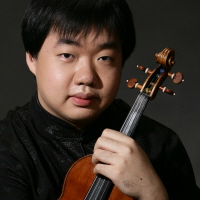
As the Shostakovich Symphony No. 5 went along, a feeling of familiarity came upon me. Why, it was uncannily like listening to Haitink's RCO version (Decca), except this was live, in sonically resplendent Carnegie Hall! Aside from fractionally slower tempo, the readings cannot really be distinguished. The same rather objective demeanor, smooth and perfect playing and perfect balance; in other words a rather "objective" reading, or a "literal" one if you wish, likely to please some and questioned by others. For myself, I enjoyed it immensely because under the perfection, the musicians played incredibly in ensemble, with great attention to details and expression, never in danger of sounding bland. The strings, led by the excellent concertmaster Robert Chen (whom you might remember was soloist with the HK Sinfonietta sometime back), played with a sonorous precision that was disarming. One could hear every little scoop with uncanny clarity, superhuman indeed! Everything was as perfectly played as I have ever heard any orchestra play any piece, but one still has to single out the tympanist, whose magnificently strong and shaded playing punctuated the glorious moments of climax.

The CSO seems to be as perfect as ever, but with an added human touch, under the new director.

NY Times review
Chicago Triburne review
Chicago Sun Times review

20 April, 2011

Concert Review: Juilliard Orchestra - Alan Gilbert

Concert Review: Juilliard Orchestra - Alan Gilbert

15 April, 2011, Avery Fisher Hall
Juilliard Orchestra - Alan Gilbert
Mahler Symphony No. 9

Let me get right to the point: this concert conducted by Alan Gilbert, whom I have never heard before, marked the most electrifying Mahler I have heard in years. At this early stage his directorship of the NYPO has not been without controversy but, judging from this concert, he is certainly a major talent. Gilbert has also been appointed director of the conducting department at Juilliard, in place of James DePreist. That too had its share of controversy.

Gilbert, a big man, conducted with volcanic energy and big gestures, a completely different approach from DePreist whom we heard in Mahler 5th just earlier. Boy, did the orchestra respond differently, playing with fervent ardor and complete concentration!

Yet the big gestures happily went in tandem with much precision and insight. The reading was brisk and propulsive in general, but aside from a few moments of convulsive abandon, dynamics were mostly well graded. Gilbert illuminated many fresh details along the way but kept things moving. Considering the force of conducting, there was an admirable lack of vulgarity. The inner movements particularly illustrated this. Gilbert's reading of the second movement literally had a sense of Mahler's marking, somewhat clumsy and very coarse; there was refreshingly little sense of the waltz, which many conductors love to exaggerate and distort. The Rondo though was more brute than Burleske. To nitpick, the two inner movements did not quite have their own characters, the closing adagio was a little fast and the ending felt a bit too abrupt.

The orchestra played wonderfully and most importantly conveyed to us, indeed held us captive by the titanic inner struggle that is Mahler. One would not exaggerate if one invoked heaven and earth, such was the force. I am glad somebody still conducts Mahler that way (certainly cannot be found in bland "critically praised" performances in HK), and look forward to hearing him in Mahler 5th with the NYPO soon.

Review at Blog classicalsource

17 April, 2011

Concert Review: St Petersburg PO/Temirkanov

Concert Review: St Petersburg PO/Temirkanov

14 April, 2011, Carnegie Hall
St. Petersburg Philharmonic Orchestra-Yuri Temirkanov-Alisa Weilerstein
Rimsky-Korsakov-Shostakovich-Brahms

The St Petersburg is one of my favorite orchestras and I think Yuri Temirkanov is under-rated (as his predecessor Mravinsky is probably over-rated overall). Fortunately, they tour extensively (a reality for Russian orchestras, to earn hard cash), and it is not inoften that I get to enjoy them. NYC sees them often offering multiple concerts, and I attended the second of a pair.

The opener, Rimsky-Korsakov's Prelude to Legend of the Invisible City of Kitezh, received a wonderfully atmospheric reading, the gentle rumbling in the strings and pliant woodwind solos balanced in perfection. This is the kind of thing only Russians bring off, and much more enjoyable in the concert hall than on records, an illustration of the fact that, no matter how good your hifi is, a live atmosphere is most difficult to reproduce.

I have previously sung the praise of cellist Alisa Weilerstein. She proved a more than capable soloist in Shostakovich's Cello Concerto No. 1. Neither her playing nor the accompaniment were the most razor-sharp: contours were a bit softened rather than (over) etched, phrases more flowing than emphatically punctuated. In her solo moments Weilerstein was more than a bit indulgent sometimes, but one admired her big temperament. Although one missed a little the sardonic wit of Shostakovich, the reading was eminently satisfying for the beautiful playing and emotional delivery.

Brahms has been previously featured by Temirkanov. His Fourth Symphony received a fresh reading from the Russian forces. One hesitates to say they brought a unique Russian quality to the reading. Instead, I think their innate musicianship and spontaneity stand them apart from the crowd. No risk of cliche's nor routine here. Even more than the previous pieces, the musicians gave a lesson on how to listen to and play with each other, while being utterly colorful in their solo's. Esnemble was not always immaculate, but the freshness of approach carried the day.

The encore was a magnificently noble rendition of Nimrod from Elgar's Enigma Variations. It felt like an elegy.

14 April, 2011

Concert Review: Parker Quartet

Concert Review: Parker Quartet

3 April, 2011, Flushing Town Hall
Parker Quartet
Haydn/Kurtag/Brahms
(Carnegie Hall presents)

Parker Quartet Official Site

No matter your inclinations, New Yorkers are spoilt for choices. On this day, I had to choose between this concert and the Ebene Quartet at Manhattan's Town Hall. Since subway maintenance made a trip into town more difficult, I chose to stay within my neighborhood, and it marked the first time I was inside the charming and historic Flushing Town Hall.

The Parker Quartet, one of those upcoming ensembles that play both classics as well as modern music, have garnered excellent reviews wherever they go. The ensemble also reflect the trend in chamber music of an increasing number of musicians with Asian roots, one of the reasons why I went also.

The opening Haydn Op 74/1 immediately struck me as masterly playing. As someone said in one of their video clips, if you can play Haydn you can play anything. Daniel Chong led well with determined but supple phrasing. It is a tribute to him, and the ensemble, that nothing stuck out as in lesser Haydn playing, which happens more than often even to famous ensembles. The limelight was at times stolen by the wonderfully soulful playing of violist Jessica Bodner. The steady second violinist Karen Kim and the vigorous playing of cellist Kee-Hyun Kim filled out the wonderful ensemble sound.

Then came Kurtag's 12Microludes, which were miniatures that can perhaps be enjoyed only in the concert hall. I feel these do not quite measure up to Webern's efforts, but they were enjoyable.

Without intermission, the quartet gave a fluent reading of Brahms Op 51/2. The often dense textures of Brahms were rendered with utter lucidity, the playing crisp but refined and unhurried. If these young players did not linger on the romantic or "autumnal" aspects, they managed to avoid heaviness and never risked sounding portentous.

Judged by their Haydn and Brahms, whose quartets are most difficult to bring off, the players are mature beyond their years, surely an ensemble to watch, and savor.

09 April, 2011

Concert Review: Juilliard Orchestra - DePreist

Concert Review: Juilliard Orchestra - DePreist

March 25, Avery Fisher Hall
Juilliard Orchestra - James DePreist
Mahler Symphony No. 5

With serious jet lag I attended this concert. This was not the first time I had heard the Juilliard Orchestra play Mahler 5th, but was the first time I heard conductor James DePreist.

Paralysed by polio from the waist down in his twenties, this incredible hulk, nephew of alto Marian Anderson and chairman of Juilliard's Conducting Department, graciously conducted the school orchestra. His right hand gave long, fluid beats, but his left hand employed a large number to jittery and flickering gestures, highly unusual to say the least.

Overall, this account of M5 was a fine one, superior to the 2008 one I heard conducted by James Conlon. While still an objective rather than emotive reading, it was fluent and flowing, with good ensemble and attack. Although not the last word in heaven-storming Mahlerian angst, the symphonic treatment satisfied but did not quite deliver the full emotional wallop, not quite up to the level of yet another previous JO Mahler performance, the 2008 Mahler 1st conducted by Roberto Abbado.

Curiously, in another 2 weeks there will be yet another Mahler performance by the JO, this time the 9th, conducted by alumnus Alan Gilbert, now director of NYPO. I cannot wait!

Added April 14, 2011:
NY Times review

08 April, 2011

Concert Review: Shenzhen Symphony Orchestra Mahler Symphony No.3 深圳交響樂團 馬勒 第三交響曲

Concert Review: Shenzhen Symphony Orchestra Mahler Symphony No.3 深圳交響樂團 馬勒 第三交響曲

March 11, 2011, Shenzhen Concert Hall
Shenzhen Symphony Orchestra - Christian Ehwald - Bhawani Modennsad
Mahler Symphony No.3
深圳交響樂團 - 深圳高级中学百合少年合唱团 - 深交女生合唱团
馬勒 第三交響曲

Given that SSO often make changes at the last minute and that the website is woefully lagging behind in information, I was skeptical that the inaugural concert would feature the gargantuan Mahler Third. A call to SSO a week before the performance confirmed that indeed that was to take place. I told them that they really should list the names of the soloist and the choirs on the website. Well, they did for the soloist but not the choirs.

Imagine my excitement that the concert did materialize! The choirs were listed in the program book, but the contralto had changed from Carolyn Masur listed on the website to Bhawani Moennsad. Considering this was the Spring inaugural concert, attendance was a little low.

The first movement went well technically after the secure start by the brass. The orchestra sounded empowered but a little cautious. The proceedings became more fluent after this when the woodwinds started to gel together. Indeed, one of the most impressive aspect of this performance was how well the instruments, particularly the woodwinds, played to each other with great character, indeed evocative of flowers and animals if one were to invoke Mahler's own words. The dialogues felt like chamber music and were precious. In these inner movements the SSO/Ehwald got to the heart of the music much better than the HKPO/EdW did, and I greatly enjoyed it. In passages of more overt brilliance the SSO sounded more together than their previous Mahler outings, less powerful than HKPO perhaps but no less enjoyable due to the fluid conducting of Ehwald. The choirs sang well and were not obviously embarrased by diction, no mean achievement! One only wished there were more boys in the student choir; less than a handful is not quite enough! The soloist is probably more a mezzo than alto, so although she sang beautifully, the lower registers lacked power and color.

This was the best Mahler I have heard from this orchestra and I truly enjoyed it. It is the mark of a good conductor to focus the listener on the music. It is too bad that all too often with over-rated "maestro's" everyone, including the conductor, critics, sympathizers at el all point out the inadequacies of the orchestra and the hall as an excuse for why the music failed to move. This performance moved me, and that is more important than anything else.

The performance received scant coverage from the press. Some I was able to dig up:
博客 報道
深圳特區報 報道

07 April, 2011

Christian Ehwald Interview 专访指挥家爱华德

Christian Ehwald Interview 专访指挥家爱华德

Note: I am a fan of conductor Chritian Ehwald, who's has done great work with the Shenzhen Symphony Orchestra. Under Ehwald, the orchestra has already performed the first six Mahler symphonies. If this were HK, he would have been touted as a godsend, a great Mahlerian. I just hope his good work continues and was happy to find an interview of him in the local newspaper. Shenzhen is not an international city and sorely lacks good English media, which makes me admire the work of Ehwald even more. 默默耕耘,that is silently doing good deeds, would be an apt and noble accolade in Chinese for this wonderful conductor.


专访指挥家爱华德:让乐队成员学会彼此聆听

来源: 深圳特区报 作者: 王俊

爱德华指挥乐队演奏

爱德华指挥乐队演奏

指挥家克里斯蒂安-爱华德

指挥家克里斯蒂安-爱华德

  “小提琴,请让你们的音色更饱满一点!”,“铜管乐请把握好进入旋律的时机!”3月22日下午,罗湖区黄贝路一角的深圳交响乐团排练厅内,满头银发的克里斯蒂安-爱华德操着一口流利的英语,用清晰明了的指挥将整个乐队带入了普罗科菲耶夫《第五交响曲》的音乐世界。

  从2008年3月来到深交任音乐总监至今,爱华德的异国执棒生涯正好度过了三个年头。这三年,这位在台上不苟言笑、台下却和蔼可亲的德国老头令深交的演奏水平焕发出了别样的光彩。这支乐团的进步让所有关心它的人有目共睹。

  三年约满之际,爱华德毫不犹豫地与深交再次续约。他对本报记者说:“我眼看着音乐让深圳美好起来。我有信心让交响乐成为深圳的城市之光。”

  1、调教乐团犹如调制鸡尾酒

  2011年的深交首场音乐季演出,演奏的是马勒《第三交响曲》,场面恢弘,效果震撼。颇具意味的是,三年前,爱华德作为中国首位外籍音乐总监入 主深交时举行的首场演出,演奏的同样是马勒的作品,当时是《第五交响曲》。在自己与深交的两段合同期伊始,爱华德都选择公认为演奏难度之王的马勒作品,是 不是有什么寓意呢?

  听到记者的问题,爱华德神秘地笑笑说:“也许吧。马勒确实是我最钟爱的作曲家之一,也是交响乐团演奏水平的试金石。我确实想让大家听一听,深交在这三年中发生了多么显著的不同。”

  如果观众在音乐会上正巧坐在乐团的后方,那么,除了聆听音乐之外,欣赏爱华德的指挥也是一种享受。他手中的指挥棒划出一条又一条美丽的弧线,辅 之以丰富的面部表情和形体动作,将不同音色的乐器“归拢”到音乐主题下,时而如丝绒般柔滑,时而如洪钟般响亮,将听者的耳朵“伺候”得非常舒坦。

  三年时光,深交在爱华德的调教下一点一滴地发生变化。他说:“在我刚刚来到深圳的时候,乐团虽然也可以演奏马勒,但是音乐的感觉表现得还不够充分。而现在乐团犹如一个倾诉者,已经能够传递出音乐更多的意义和内涵,呈现原汁原味的声音。”

  俗话说:“外来的和尚会念经”。让这支成长中的城市乐团发生脱胎换骨的变化,爱华德究竟施展了什么样的魔法?他透露道,秘诀就是让乐队的每一位 演奏员学会互相聆听,用拉室内乐的感觉感受他人的声音,协调彼此的音量与音色,而不是你拉你的、我拉我的。这样,乐队才能成为一个整体,传达出的音乐才能 打动人。

  “调教乐团就像调制一杯鸡尾酒一样,急不得,只有用心配制各种元素,音乐才能像酒一样醉人”,爱华德比喻说。

  2、“乐章间鼓掌”不必太介意

  几乎每场交响乐音乐会上,同一首乐曲的乐章之间,总会响起观众不合时宜的掌声。此时,爱华德总是轻轻地放下指挥棒,静静地站在指挥台上,等观众安静下来之后,再让下一个段落的音乐响起。

  从交响乐基础深厚的德国来到交响乐文化并不普及的深圳,屡屡碰到这种现象,爱华德会不会感到失望?令记者意外的是,爱华德对此并不以为意。他 说:“其实乐章之间鼓掌在欧洲也会有的,问题不是很大。我只考虑能否把音乐内涵传达给观众,观众能够感受到我们表达的意思和音乐传达的东西,在观众与乐队 之间引起共鸣就可以了。音乐应该成为轻松的东西。只要观众喜欢,乐章间鼓掌没什么关系的。”

  由于身兼德国柏林音乐学院指挥系主任和深交音乐总监双职,爱华德每年都在柏林和深圳之间飞行穿梭——四个月在深圳,八个月在柏林。许多观众疑惑的是,深交音乐总监的责任应该不仅是指挥几场音乐会那么简单。爱华德不在深圳的那八个月中,如何“遥控”乐团的音乐业务呢?

  爱华德解释说,作为音乐总监,他的主要责任是带给乐团表达音乐、感受音乐内涵的方法。他不在深圳的八个月间,亲自出面邀请了不少指挥家为深交担 任客座指挥。这些指挥家每个人都有自己的长处,能够为乐团带来更丰富的理念,从而让乐团发展得更快、更全面。他自己在柏林也随时关注着乐团的排练和演出。

  在深三年间,爱华德眼看着深圳的古典音乐氛围愈发浓厚。音乐会越来越频密,走进音乐厅的观众也越来越多,人们对深交演奏的音乐表达了由衷的喜爱,让他格外欣慰。爱华德说:“交响乐犹如城市上空的一束光,能够让这里的文化风景呈现出亮色。”

  3、爱深圳就像爱音乐

  记者注意到,与三年前相比,如今的爱华德发间又添不少银丝。每次排练完后,他总喜欢一个人坐在办公室里,点上一支烟斗,静静地品味属于自己的时 光。而演出完后的周末,爱华德总是和自己的妻子一起,到附近的东湖公园去走一走感受那份绿色,在离家乡有万里之遥的深圳,爱华德的生活过得挺惬意。

  “我喜欢中国,喜欢深圳!”爱华德毫不掩饰自己对这里的喜爱之情。虽然在深圳,他的德国“老乡”们并不多,然而,爱华德并不感到寂寞。每次来 深,他相濡以沫的妻子都会陪着他来到这里。音乐会上,细心人总能发现那位恬静的德国女子坐在观众席的某个角落,静静地注视着台上丈夫的背影。

  爱华德从小就迷恋中国文化。早在上世纪五十年代,他的父亲的一位助手便是中国人。通过这位助手,爱华德很早就接触并迷上了中国文化,对中国传统音乐与建筑艺术尤其感兴趣。这也是他决定不远万里来中国执棒的原因之一。

  在排练演出之余,爱华德常常带着妻子到北京、上海、桂林去感受中国的神奇。为了表示自己对中国的了解,爱华德举例说:“从吃东西这件事情上,我 可以感受中国的风土人情。比如四川人、湖南人喜欢吃辣,说明他们是‘不好惹’的;江苏人、浙江人喜欢吃甜,表示他们的性格比较温顺。”

  爱华德究竟有多么喜欢深圳?他打了个比方:“就像爱音乐一样”。因此,当与深交的上一份合约到期时,爱华德主动提出再续前缘。他说:“我希望和深圳人一起,分享音乐带来的无限美好。”

  深圳音乐未来大有可为

  ——对话爱华德

  记者:从诞生了贝多芬的国度不远万里来到深圳,执棒一支新兴的城市乐团,而且一呆就是三年,什么动力驱使您有这样的举动?

  爱华德:中国交响乐虽然起步稍晚,但这里的人对音乐有澎湃的热情。这种热情就意味着巨大的机会,形成了良好的艺术气氛。这是吸引我来到中国、来到深圳的主要原因。我希望能通过自己的努力让这里的人享受到更加纯正的古典音乐。

  记者:但中国的交响音乐与欧洲还是有较大的差距,在你看来应当如何弥补?

  爱华德:其实深交有很多优秀的演奏家,但他们需要把声音更加密切地融合在一起,注重音乐的整体表现。一支乐团要通过精心的打磨,形成比较稳定的团队合作气氛,创造出属于自己的艺术传统。我的目的正在于此。我相信这座城市的音乐未来仍然大有可为。

  记者:三年来,你为这支乐团带来了怎样的变化?

  爱华德:最重要的是音乐的表达,乐团开始表现出自己的音乐色彩,大家的演奏融合为一个声音的整体,另外你能够听到这支乐队的演奏会更富有情感,更清晰地体现出音乐的质感。

  记者:你仍然担任着柏林音乐学院指挥系主任,奔波于两个相隔遥远的国家之间完成两份工作看起来很艰难,你如何协调工作时间?

  爱华德:我会把自己教学之余的休假时间全部投入到深圳,每年1月、3月、7月和9月都会在深圳专注于乐团业务。

  记者:你个人喜欢哪些作曲家的作品?会不会影响到乐团的风格走向?

  爱华德:马勒就是我喜爱的作曲家之一,舒伯特、贝多芬都对我有较大影响。我比较倾向于浪漫派的音乐,不过作为音乐总监,我还是希望乐团能够兼顾不同的风格,比如现代派的音乐应当有所涉猎。(深圳特区报记者 王俊/文 齐洁爽/图)

31 January, 2011

CD (DVD) Recommendations: Paavo Jarvi's Beethoven cycle

CD (DVD) Recommendations: Paavo Jarvi's Beethoven cycle

I cannot begin to tell you how this set has shaken me and instantly superseding all other versions to become my favorite. All I can say is grab them!

Paavo Jarvi, son of the wonderful Neeme Jarvi, is a conductor that I admire greatly. Very much his own man, and of the modern age. Here, his Beethoven cycle with the Deutsche Kammerphilharmonie Bremen out-HIPs any of the period specialists. Interpretively fresh as daisy, the performances are fast, rhythmically propulsive, texturally lean, very much sturm und drang, and shed light on every symphony. On the way were countless rhythmic felicities and unusual sonorities, bringing Beethoven much closer to Haydn. The playing was excellent throughout.

The sound on my set of DVD (Sony) is first-class, but you could also collect them on CD/SACD (Sony/BMG). This is a set I'd not do without.

Concert Review: Yevgeny Sudbin recital

Concert Review: Yevgeny Sudbin recital

19 Jan, 2011
Concert Hall, Academy of Performing Arts
Scarlatti-Shostakovich-Chopin-Liszt-Ravel

Sudbin first caught my attention on the BIS CDs available in the HKPL. Hearing his 2009 recital in NYC affirmed my belief he is destined for greatness.

The HK recital is part of a series organized by Premiere Performances. I'd urge you to pay attention to this organization's offerings, all artists of the highest caliber (last Ning Feng recital too). There is a discount for subscription. The staff is small, and executive assistant Sharon Lam mans the telephone herself and was very helpful to our needs. Many thanks.

Sharon told us that booking a venue was difficult, but I was glad they ended up in the APA concert hall, an acoustically wondrous small venue, packed on this night.

Like the NYC recital, program opened with 3 Scarlatti sonatas. I think this time he allowed a little more play and humor to come across. It also struck me by his clean playing he tried to emulate the harpsichord, more successfully than some.

Following with 4 classically based Shostakovich Preludes was logical. His complete understanding of the quirkiness of the music and rhythmically masterful playing was a sheer delight. I think that was the best of the evening.

Despite the virtuosity, Chopin's Ballades 3 and 4 were objective and symphonic, finely held together but lacking just a little in poetry and heroism (brought out more successfully in the SZ recital of Zhang Haocheng in recent memory) .

The second half began with a beautifully atmospheric Liszt Transcendental etude, "Harmonies du Soir". Ravel's Gaspard de la Nuit followed, played with staggering technique and aplomb.

The program notes by Sudbin himself were uncommonly fine, pointing out many relationships, not least between Chopin's Ballade No. 3 and Ravel's Ondine.

10 January, 2011

CDs from the Hong Kong Public Library: Listening Log (4)

CDs from the Hong Kong Public Library: Listening Log (4)

It's been frustrating that due to family affairs (renovation and moving in NYC) I have not attended even a single concert in almost 3 months (and thank you RC for your concern). Hopefully that should be rectified soon.

Fortunately there is still home listening. And some CDs I recently borrowed from the library have been exceptional.

Foremost have been 2 Mahler recordings issued by the superb RCO Live label. These Dutch recordings are always superbly recorded in DSD, by the same Polyhymnia team responsible for Pentatone etc. Even if you cannot play the SACD layer, the CD layer sounds superbly natural. Jansons' Mahler 5 is absolutely splendidly controlled, yet exciting, that is, until the last movement, which seemed willful and anti-climatic. Nonetheless, it's better than his Mahler 1 on the same label, a much blander reading. Spontaneity also characterized Haitink's Mahler 4. People who have heard this great conductor live knows his studio recordings are much more cautious. On both, the playing of the RCO is beyond imagination, I think unparalleled (even taking the VPO into account).

We all criticize record companies, yet sometimes they surprise us. Ravel cannot possibly sell very well, yet EMI recently recorded some familiar staples with their new artist, Yannick Nezet-Segun, a rising star familiar from other labels such as Pentatone. The playing of the Rotterdam PO, of which he is now music director, is exemplary. The interpretation is fresh and the sound is excellent. If you don't have much Ravel, grab this one. Bravo, EMI, for showing support for their artists (other examples include Argerich's Lugano series and their popular budget Debut series).

On a lighter note, I think current baroque music playing overall is simply divine. Even HIP, gone are the austerity, replaced by warmth and flair. This is much evident in Vivaldi playing, of which this Naive CD (part of their generally excellent Vivaldi edition) of "Il Ballo" is a superb example. Sonically spectacular too.

I have never encountered Nicolai Kapustin, a Russian composer known for his difficult "jazzy" compositions, which he himself played magnificently. Thanks to the library I was able to sample some of his unusual and worthwhile output on the rare Japanese Triton label. These works are definitely "jazzy" and should turn anyone's head.

24 October, 2010

Concert Review: HKPO-Yang Tianwa-楊天媧

Concert Review: HKPO-Yang Tianwa-楊天媧

October 23, 2010, CH
HKPO-Yang Tianwa-Perry So
Janacek-Dvorak-Sibelius

Official English website

楊天媧 2006

This was a concert I most wanted to hear
. Usually I prefer to attend HKPO concerts on Fridays, as the orchestra are usually more committed for the first of the concert pair. But I could not this time. So, on Friday 10:30 pm I received a phone call that was ecstatic in praise of the concert. Perhaps that first-hand report raised my hopes too much, as the concert on Saturday did not entirely live up to promise.

A Real Find
My first encounter of Yang Tianwa was from her first 2 Naxos Sarasate CDs (eventually there will be 7 CDs) which I borrowed from the library. All it took were a few notes to make me jump up from my seat and read everything in the booklet about the amazing violinist whom I had never heard of (the pianist is fantastic too). For here is the best Sarasate I have heard in a long time. The duo couldn't possibly have known all the obscure works when they recorded them, yet they played like they have lived with these pieces for years! Her fluid and utterly natural phrasing gave the pieces unusual breath. Her grasp of the Sarasate style is superior to most current violinist I can think of.

The Dvorak Violin Concerto is not often played in Hong Kong. Despite a little unsteadiness at the beginning, all the qualities that distinguished her Sarasate were gratifyingly present live. I was most impressed by her steady, singing tone, sure attack and sustain. Her natural phrasing revealed a maturity beyond her years. However, the wistful aspect of this concerto hides its difficulties, which are not in the notes but in expression and balance. Although she could be tender and delicate, the reading as a whole lacked a lyrical quality that should be inherent in the music. Part of this may be due to the accompaniment which, though tidy, emphasized drama rather than the dance elements. It should be noted that the orchestra was moderately reduced in the strings (only 22 violins, 8 violas, 6 celli and 4 basses), making the winds and brass more prominent in a "Germanic" style.

For encore she played a Ysaye piece, which more than the concerto showcased what this wonderful young violinist is all about: superb technique wedded to musical insight. All the Bachian counterpoints were clearly laid out but did not detract from the long lines and sumptuous tone. Marvelous!

The orchestra reverted to full-size for the Sibelius Symphony No. 2. This is a HKPO staple but this reading still managed to surprise me initially for the excellent playing and eloquent chording. Despite some unnecessary tempo manipulations, the first three movements had their shining moments, particularly felt in the almost sculptural brass chords. However, my worst fears about the inexperience of Perry So materialized in the last movements, where the various climaxes should gradually build up in power and intensity. Instead, Perry So could not manage the admittedly difficult task of tying the various episodes together and the movement as a whole was wildly incoherent. The quieter passages felt directionless, and the finale did not provide at all a sense of catharsis; a big deflation indeed. A cautious Janacek's Jealousy overture opened the concert.

There are a surprising number of personnel changes. Newcomers Colin Oldberg and Benjamin Moermond are now the trumpet and bassoon principals. Cor Anglais is now Sarah Turner. And Lisa Rogers is gone, so soon! there are now only 3 Chinese faces among the winds and brass. Sigh...

我第一次發現楊天媧是在圖書館。兩張 NaxosSarasate 小品吸引了我,不知道楊天媧是誰就借了回去。一聼之下就驚為天人。這些曲目極爲冷門, 但二人的演繹卻令我有耳熟能詳的感覺;這是一流的 Sarasate 演繹, 非時下所謂名家輕易能及!這兩張 CD 也燃燒了起來我對中國新星的希望。但這期待已久的音樂會卻因種種原因沒能盡興。

楊天媧技術上現場和錄音大致一樣, 琴音飽滿, 技巧扎實。減了弦樂手的樂隊突出了木管和銅管, 也沒掩蓋楊天媧, 但整體上 Dvorak 缺乏了抒情, 餘韻不足。其實 Dvorak 音樂好像不難,但要奏出活力, 有舞曲自然彈跳的感覺卻非易事。在這層次上,獨奏,指揮和樂隊都沒有達標, 可惜了。

Encore 的 Ysaye 就大大不一樣了。沒了樂隊的牽挂, 楊天媧的演繹自然流暢,技巧和音樂的表達兩者結合得天衣無縫。還是, 《 天媧無縫》? 僅此一曲,已是補償的甘露, 值囘票價。

下半場的 Sibelius 第二交響曲 開始得不錯,但沒能彌補終樂章渙散無章的演繹。 本是一浪推一浪的高潮,變了沒能連接上的幾個強聲片斷, 方向感的缺乏令到結尾變了反高潮, 煞是掃興。

Addendum: Interview by HKPO

很美好但很苦的音樂家生涯—小提琴家楊天媧(朱振威)(摘自HKPO)

先說一段小插曲:一開始想著在港樂辦公室與楊天媧用長途電話作訪問,結果花了很多時間預約
一個方便雙方的日子,到訪問時又遇著酒店電話線路繁忙。再次跟楊天媧用電郵聯絡,看著她的
電郵結尾那句「Sent from my iPhone」,靈機一動問道:「你有Skype嗎?」結果二十四小時內
我安坐家中完成訪問。

可是,你別因此想像楊天媧是Facebook上有過千「朋友」,一有空就在msn聊天的一般「八十
後」– 與她閒聊過後,才發現這在音樂家生涯中很難發生的。

那麼音樂家的生涯是怎樣?廿三歲的楊天媧說「很美好,但很苦!」

我的爸爸
我四歲開始拉琴,父親對我非常嚴格,每天都要我練琴。他這樣做很對的,否則我不能有今天的成就。

小時候,我不算很刻苦,很多練習曲目拉兩次,行了就算。我那時明白我有天賦,人家試十次才成功,我三次就行。人家五歲時坐上鋼琴不下來,我不是,我也想做其他事情。小時候看著人家放學去玩耍,爸爸卻來接我回去練琴。很多時候想看書,想跟其他人玩,但卻因為練琴而放棄,回想那段日子其實挺苦的。

當音樂家很苦的,但我現在很開心。如果我沒有當音樂家,可能現在會當白領吧,不過生活可能就不開心了。說到底,生活是由每個人自己決定的。

將來要是有孩子,我不會像我爸爸這樣嚴格把她訓練成音樂家。我可能會堅持,幫她到十三、四歲,然後就讓她選擇。天賦不是決定一切,性格來得更重要。

我的假期
音樂家的生涯很美好,但很苦。要能承受很大壓力,也要有嚴格生活規律。經常在不同國家往還,時時要克服時差,但只能睡至「我要起床」的時候,到放假時終於可以睡到「我想起床」,放假最好之處就是不用想時間。

不用演出的時候我通常留在家渡假。假期第一天我會整日躺在床上讀書喝茶,這樣做對我來說就是終於放假的訊號。我最喜歡閱讀,我還記得小時候我練琴時都在譜架上放著一本小說。一邊拉一邊讀,因為音樂我拉幾次就背下來了。但後來爸爸發現了,就把我的書都綁起來。

我甚麼類型的書都愛讀,小說、經典、犯罪故事、古代現代的統統都愛讀。現在讀著一本挪威小說家Lars Saabye Christensen的《The Half Brother》,男主角在二戰後長大,他的家庭表面上很普通,可是他的哥哥卻是母親在戰時被人強姦後所生的,是很曲折的故事。

我的工作讓我每天有四、五個小時都在「聽」音樂,空閒的時候就想靜下來。就算真的聽音樂也是工作需要,例如聽一些其他人演奏我將要演出的曲目。反而,我常常會聽有聲書。

我想音樂跟其他藝術如繪畫、電影、寫作都有共同目的,就是藝術家要向別人傳達訊息。對我來說,演奏時我就像一個導演在執導一齣戲,只是我在講述一個沒有文字沒有畫面的故事。
我的encore
我覺得如果這世界沒有了易沙意與巴赫,我實在不知道可以拉甚麼作encore!我不贊同拉完一首協奏曲之後又拉巴格尼尼或是韋尼奧斯基的炫技作品,之前已經有整首協奏曲給你表現自己,你已不需要再顯示你的實力了。我會想應該借encore的時候讓觀眾感受別的東西,而不只是一味的炫耀。

至於獨奏會,我就很愛拉奏馬思聰的《思鄉曲》作 encore,我就是愛其簡單的民間元素。其實大部份好的音樂都是來自民間,你看布拉姆斯與莫扎特一樣從民間音樂找尋音樂元素。因為這些民間音樂已是精華,也是來自生活。

德伏扎克的小提琴協奏曲給我最深印象是慢板樂章,就是因為充滿了民間音樂元素。憂鬱的風格就像一首民歌。而終樂章更似是一節民間舞蹈。以民間音樂為素材的話,意味著這首作品更貼近觀眾。我認為他的小提琴協奏曲比大提琴更具民族色彩,也更高貴細膩。

這首小提琴協奏曲在歐洲舞台其實很常出現,不過我發現在亞洲及北美似乎更流行他的大提琴協奏曲及交響曲,讓這首協奏曲好像在陰影之中。或許是這首協奏曲生不逢時,同年代有太多傑出的小提琴協奏曲了。
我的決心
「今天在倫敦,明天在巴黎,晚上八時才工作......」當音樂家聽起來很自由,可是一點也不自由。背後都是排得很滿的行程,而且不是你自己決定,演出可是責任。演奏工作只是不斷換地方,事實上看不到別的東西。

我也有用F a c e b o o k , 用化名的, 但只有廿四個朋友,都是真正的朋友。以前晚上還會用msn,現在也不怎麼用了。我很少找朋友的,住的地方周圍也是很少人居住的。平日也不出門,跟人聯絡也多靠電郵。的確, 工作上不斷會認識到新朋友, 可是很多時雖然合作愉快, 演出完了連繫就斷— 剛開始認識就要走,很可惜。有時去到一個地方演出,打電話給當地的朋友, 可是最後因為工作沒有時間約出來見面。事業正在往上走,是要吃點苦。

所以,當音樂家一定要有決心。
楊天媧最愛的小提琴家
我喜愛Adolf Busch與他的弦樂四重奏,還有Joseph Szigeti。我最喜歡Busch的貝多芬,他演奏出樂曲的最高境界。而Szigeti的布拉姆斯我認為是不可超越的!

之前為了演奏孟德爾遜協奏曲,聽了Jascha Heifetz,令我很驚奇,他的慢板樂章原來是我聽過最美的!不過他的首尾樂章卻不是我杯茶了。

楊天媧最難忘的演出
有一次很可怕的,那是在德國的演出。我還記得很清楚是2007年3月26日星期天,我那次幾乎忘了去演出!

話說那一次場音樂會是早上十一時舉行的,於是我八時起床。到了九時四十五左右我的經理人打電話給我,問我在哪兒,說演出快要開始,我才猛然醒起那時已經行夏令時間!換言之經理人打電話給我時是十時四十五分。但我還未吃早餐,還未更衣。我立即帶著小提琴與演出服飛奔到街上乘車到音樂廳。到我站在台上時我幾乎暈倒呢。


A Wonderful Struggle-Yang Tianwa’s life as a musician (Leon Chu)(from HKPO, with edits of some typos)

A brief Prelude. Originally, the idea was to conduct along-distance interview with Yang Tianwa by phone from the HKPO offi ce, but after the lengthy process of finding a convenient time, a problem with the hotel phone line prevented the interview from taking place. Email correspondence followed and it was then that I noticed a “sent from my iPhone” suffix. Hold on a minute; “Do you have Skype?” 24 hours later the interview was finished from the comfort of home.

Yet don’t let this lead you into thinking that she is a typical “post-80’s generation” young woman with over a thousand “friends” on Facebook and spending all her spare time chatting away on msn. I quickly realised that this doesn’t happen in a musician’s life.

So, what is a musician’s life like? According to 23-years- old Yang Tianwa; “It’s really wonderful, but it’s really tough!”

My Dad
I started playing the violin when I was four. My father was very strict, and made sure I practised every day. He was right to do that, otherwise I would not have achieved what I have. I was not an especially diligent child. Many of my exercises I just played a couple of times and stopped as soon as I could play them. Already by that time I realised I had some gifts; some people needed to try things 10 times, while I often succeeded after three. Other children managed to sit in front of the piano all day, I couldn’t. I wanted to do other things. When I was little, I had to watch other children going to play after school, while my dad would pick me up from school to practise. I often wanted to read books, to play with friends, but I had to give these all up because of the violin. Looking back, it was quite a tough time.

It is generally tough to be a musician, although I am really happy right now. If I hadn’t been a musician, I guess I might be working in an office, and I don’t think would be as happy, but at the end of the day, every one determines their own life choices.

If I was to have children I would not make the demands on them my dad made on me. But if they wanted to be musicians, I might insist on helping them until they are in their mid-teens and then leave them to choose. Talent does not dictate everything; personality is more important.
My Holidays
A musician’s life is tough but really wonderful. You have to manage a great deal of stress and lead a disciplined life. Travelling from country to country means constant adjustment of time zones. You can only sleep until you “need to get up”. When holidays come, you can finally sleep until you “want to get up”. The best thing about holidays is not having to think about time.

When I don’t need to perform, I tend to stay home. On holidays, the first day I would lie in bed all day, reading and drinking tea; to me that tells my brain that I am finally on holiday. I love reading. I remember when I was little, I would put a novel on the music stand and read while I played, as I was able to commit music to memory fairly quickly. Later my dad discovered me doing this and locked all my books away!

I like reading all sorts of books: novels, classics, crime fiction, ancient, modern…I love them all. At the moment, I’m reading The Half Brother by Norwegian novelist Lars Saabye Christensen. The male protagonist grew up after the Second World War. His family seemed ordinary on the surface, but his older brother was born as a result of his mother having being raped during the war. It’s a story full of turmoil.

I listen to music four, five hours a day because of my work. When I have some free time, I prefer to enjoy a quiet moment. If I do listen to music, it would be part of work, probably one that I have been asked to perform. I do often listen to audio books.

My encore
If there were no Ysaÿe or Bach in this world I really wouldn’t know what to play for encores. I disagree with playing another showpiece such as Paganini or Wieniawski after performing an entire concerto. The concerto has offered plenty of opportunities to express yourself, you don’t need another chance to show off your skills. I would like to take the encore as an opportunity to give the audience something different, something to feel rather than something merely flashy.

As for recitals, I love playing Ma Sicong’s Nostalgia as the encore. I am really attracted to its simple, folk elements. In fact, most great music comes from the people. Brahms and Mozart also used elements from folk music. These are the essence of music, drawn from real life.

In Dvořák’s Violin Concerto, I am most impressed by the slow movement because of its rich folk elements. Its melancholic style is just like a folk song, while the final movement is like a folk dance. These elements really bring the work closer to people. In my opinion, this Concerto is more folk-like than his Cello Concerto and also more elegant and delicate. It’s played quite often in Europe, but audiences in Asia and North America seem to favour the Cello Concerto and symphonies; as if the Violin Concerto lives under its shadow. Perhaps it was written at the wrong time – there were too many great violin works written in the same period.
My resolution
“Today in London, tomorrow in Paris, work starts at 8pm…” The lifestyle seems free and glamorous, but that is not the case in reality. Behind the limelight is a full itinerary, dictated not by personal choice but by one's responsibilities as a performer. The difference in performing in different countries is just the name of the place, you rarely get a chance to see the rest of it.”

I do use Facebook under a pseudonym, but I only have 24 friends there, all of them are friends I already know. I used to use msn in the evenings, but not much anymore. I rarely contact my friends, the place I live in is quiet with few people living around. I don’t go out much, email is my main communication method. It is true that I keep meeting new friends from work, but often after a wonderful collaboration we lose touch – it’s a pity that I often have to leave as soon as I meet new friends. Sometimes I go to a place to perform having called my friends there, but work doesn’t always allow time for us to meet. When you are launching a career, inevitably things will be tough.

To be a musician, you need to have much determination.

Yang Tianwa’s favourite violinists
I love Adolf Busch and his string quartet, and also Joseph Szigeti. My favourite is Busch’s Beethoven – his version is unsurpassable. Szigeti on the other hand has the best version of the Brahms.

To play Mendelssohn’s Concerto, I listened to the recording of Jascha Heifetz. I was surprised…his slow movement was the most beautiful interpretation I’ve heard! But his first and final movements were not especially close to my heart.

Yang Tianwa’s most memorable performance
It was a frightening experience! I once performed in Germany and remember clearly the date; 26th March 2007. That was the day I almost missed the performance!

The concert was to begin at 11 in the morning, so I got up at 8. Around 9:45 my manager phoned me to ask me where I was; the concert was about to begin. And then I remembered! Daylight saving had already started so it was actually 10:45am when my manager called. Without eating breakfast or getting changed, I ran out the door with my violin and performance gown. I nearly fainted when I stood on stage!

15 October, 2010

Concert Review: Peter Frankl (Chopin Society)

Concert Review: Peter Frankl (Chopin Society)

October 15, CH
Joy of Music Festival
Chopin and Schumann

Biography
Peter Frankl made his name on the international circuit as a young pianist in the 1960s and, since that time, he has appeared with the conductors Abbado, Ashkenazy, Barbirolli, Blomstedt, Boulez, Chailly, Davis, Doráti, Fischer, Haitink, Kempe, Kertész, Leinsdorf, Maazel, Masur, Muti, Sanderling, Solti, Szell, among others.

Following his London debut in 1962 and his New York debut with the Cleveland Orchestra, he has been performing with many orchestras in the USA (Chicago, Philadelphia, Boston, Washington, Los Angeles, San Francisco, Pittsburg etc), the Berlin Philharmonic, Leipzig Gewandhaus, Amsterdam Concertgebouw, Orchestre de Paris, Israel Philharmonic, all London orchestras and many others in Europe. He has also toured Japan, Korea, Australia, New Zealand and South Africa, playing with orchestras, in recitals and also in chamber music concerts. He has appeared over twenty times at London’s BBC Promenade Concerts and has been a regular participant at the Edinburgh, Cheltenham, Aldeburgh, Verbier and Kuhmo Festivals. Among the highlights of his many Edinburgh Festival appearances were his performance of the Britten Concerto under the baton of the composer and the opening televised concert with the Philharmonia Orchestra conducted by Muti. He was the soloist at the Enescu Festival in Bucharest with the Budapest Festival Orchestra at one of the last concerts Yehudi Menuhin ever conducted.


In the USA, Peter Frankl has been regular guest–artist at the summer festivals in Aspen, Chautauqua, Hollywood Bowl, Marlboro, Norfolk, Ravinia and Santa Fé and he often performs with well-known artists, such as Kyung Wha Chung, Ralph Kirshbaum, András Schiff, Tamás Vásáry and many string quartets like the Amadeus, Bartók, Borodin, Fine Arts, Guarneri, Lindsay, Panocha, Takács, Tokyo and Vermeer. He has given master classes all over the world, including the Royal Academy and Royal College in London, Liszt Academy in Budapest and the Van Cliburn Institute in Texas.

Peter Frankl’s discography is very wide-ranging: in addition to his recordings of the complete piano works by Schumann and Debussy, he has also recorded solo works by Chopin, Schubert, Beethoven, Bartok and other Hungarian composers, piano concerti by Mozart, Brahms, Mendelssohn, Schumann and Chopin and chamber works by Mozart, Brahms, Schubert, Schumann, Dvorak, Dohnanyi, Martinu and Bartok.

Peter Frankl studied at the Franz Liszt Academy in Budapest with Professors Hernádi, Kodály, Weiner and won first prizes at several international competitions. He lives in London and is visiting professor at Yale University in the USA.

His 70th birthday this year was marked with special concerts in the USA and in Europe and in Hungary he was given one of the highest civilian awards by the Hungarian Republic for his lifetime artistic achievement in the world of music.

Frankl and Vox
When I started collecting records in the 70's, I bought quite a few budget records, Odyssey (Columbia), Seraphim (EMI), Stereo Treasury (London) and, of course, Vox. Like what Naxos is doing now, Vox was the first budget label that aimed to record complete works of major composers as well as little known pieces of obscure composers, all performed by promising but then unknown young musicians. Alfred Brendel, Wlater Klien and Peter Frankl were three concentrating on the Austro-Germanic repertoire. Upon the recommendation of music magazines I bought a couple of volumes of Peter Frankl's complete Schumann on Vox, now unfortunately available only in (MP3) downloads (also his Debussy). Despite many alternate versions later, I had lived with Frankl's versions for years and they remain among favorites.

The Concert
When I saw the combination of Peter Frankl and Schumann I knew I had to attend. Apparently he had appeared before with the Society but I had missed it. A juror in Chopin Society's piano competition, on Friday night he played the same program in Shanghai. Peter Frankl has always been low-keyed; his under-stated style can be glimpsed from his sparsely populated website.

And what exceptional Schumann! In his mid-seventies, Frankl still possesses excellent technique and control over the keyboard. Not one to play to the gallery even in his youth, Frankl honed his technique on producing utterly refined pianism in the Fantasiestucke and Faschingswank aus Wien. In his subtle amalgamation of rhythmic felicities and a colorful palette, one can hear decades spent with this music. Many younger pianists eager to show off their virtuosity often hit harder and bend the music out of proportion; in doing so they also impart impatience and awkwardness in the frequent gear changes. Frankl has long surmounted these considerable difficulties. The smoothness of his playing belies hard work and profound understanding of the music. Beneath all this burned an inner glow that kept the opposing elements in fine balance.

Frankl played Chopin with much the same sophistication. Rhythmic figures, as in the Polonaise in C sharp minor, Op26/1, were not stamped out, but articulated. Two Nocturnes of Op 55 were much less dreamy than we usually encounter. Best of all of were a finely differentiated set of Four Impromptus and a staggeringly evocative Scherzo No. 1, which closed each half.

The joy of music!

10 October, 2010

Concert Review: Hong Kong Sinfonietta - Christopher Hogwood

Concert Review: HK Sinfonietta-Christopher Hogwood

October 8, 2010, CH
Hong Kong Sinfonietta-Christopher Hogwood
新篇巴洛克

Christopher Hogwood the baroque specialist needs little introduction. But a Martinu specialist who has been conferred honors by the Czechs? His modest website biography is a must-read, but make sure you read also the CV section, where he lists all his medals and honors!

So it's wonderful to have had the opportunity to hear him with the Sinfonietta, in a craftily designed program that entertained and educated, not less for the lights shed on some of the works when he took the time for stage work to explain to the audience salient points behind some of the pieces.

Handel of course featured prominently, Hogwood being a specialist and scholar on the great composer. Two movements from Handel's Concerto Grosso Op3/5 opened the program. A marvelously executed Music for the Royal Fireworks closed the program triumphantly. The string playing was lean, HIP and vibrant, the brass punctuating and acerbic at times, the percussion rattling, all highly exciting and well articulated.

In between came two neoclassical works. Stravinsky's Concerto in D for Strings received a perfectly judged rendition. The other, Martinu's Sinfonia Concertante No. 2, inspired by a Haydn work of the same combination, is much more difficult to bring off. The small concertante group (violin, cello, oboe and bassoon) and the orchestra were cautious at first, but things got better and better as the piece got along, revealing much of the work's myriad characters. If you are interested in this composer's work, I'd advise you to check out the Public Library, where a large number of Martinu recordings are available, including many in Hogwood's acclaimed series with the Czech PO on Supraphon and Hyperion.

Most revealing, and highly worthy of hearing, were two Bach orchestral transcriptions. The jewel-like Bach/Webern Ricercare from Musical Offering sounded pristine when heard live, much more fun than when heard at home. Must be awkward to conduct when individual notes are tossed around almost note-by-note among the instruments (the so-called Klangfarbenmelodie technique). Much more traditional and surprising in its craftsmanship and impact was the Bach/Raff Chaconne from Partita for solo violin No. 2. The work sounded truly Brahmsian and the orchestration is quite superior to what we hear from Stowkowski. In fact, I'd prefer to hear it more than some of Brahms' smaller orchestral pieces and overtures. Here is link to the Chandos recording, and you can hear an excerpt.

A wonderful program and wonderfully played. The Hogwood and the HK Sinfonietta must have worked hard on the disparate styles. Most worthy of mention was the concermaster, James Cuddeford, who led in an unfailingly assertive manner and played with style.

The exact program is to be played by the Guangzhou SO, in Guangzhou and in Beijing! What a wonderful idea and salute, Christopher Hogwood!

07 October, 2010

Concert Review: Ning Feng 寧峰 Recital

Concert Review: Ning Feng 寧峰 Recital

October 5, 2010, CH
Ning Feng/Zhang Weicong 寧峰/張薇聰

粒粒皆清楚
三月的時候不幸地錯過了寧峰與小交的 Brahms, 這次終於趕上了, 洗耳之餘當是恨晚。他的琴音每一粒都異常飽滿, 不像一般小提琴家在琴絃上下之間會有意無意地突出,減弱,甚至僅僅帶過某些音符。加上有非凡連貫性的造句 ,這晚令人一路匯神聆聽, 且聼得無比舒服。琴是 2007 年德國的 Stefan-Peter Greiner, 音色不及意大利名琴華麗,但表現極爲乾淨,平均。

開場的 Mozart K454 雖然拘緊, 仍然顯示了寧峰的内涵。張薇聰的鋼琴不過不失,低音過分收斂;最大的問題是二人之間欠缺默契, 沒能營造一種來囘對話的感覺。

下來的 Grieg Op 8 大家都放鬆了點,張力大增, 而寧峰
精湛的藝也有了更大的發揮空間, 強音的爆發力與精凖度令人折服。這首曲子不容易掌握, 容易流於平面,二人的演繹雖然還是過於工整,欠缺了點溫馨,卻沒有冷場, 不容易了。整體來講, 上半場是寧峰一個反炫耀的嘗試, 不能說完全成功,卻是個好的開始。

下半場的三首 Kreisler (Liebesfreud, Liebersleid, Tambourin Chinois) 跟我以往聼的都不太一樣。超細膩的演繹遠離煽情, 幽幽地滲出一種回憶, 極具品味。

下來兩首中國作品沙漢昆牧歌李自立豐收漁歌當然是手到拿來, 友人說, 到這裡琴音才完全釋放出來, 我也贊成。最後是耳熟能詳的 Sarasate Zigeunerweisen。技驚全場不在話下,像之前的 Kreisler 一樣,其中的音樂表達更能為我帶來一些新的體會。

他的造詣, 我覺得不在任何一位現代小提琴家之下。既然他是 Mr Paganini, 就跟先前聼過最好的 Paganini 詮譯者 Ryu Goto 一比。我覺得 Goto 更炫目醒神, 但寧峰更耐聼, 更具潛力。

好一個音樂家!以他的造詣, 本應大紅大紫,可惜他樸素的造型可能不太適合這個浮華的世界。以他的毅力, 我堅信默默地耕耘也能“成功”。我只是覺得他的髮型, 還有那套有紅裏子的衣服, 都應該更新了。話説回來,他以後無論穿什麽,拉什麽我都會趕去捧場的。

寧峰百度百科資料
Ning Feng Biography at Maxima (Agent)
西安音樂會(曲目同)

這裡要謝謝主辦單位 “飛越演奏香港”。 他們還有好幾場好的音樂會, 值得大力支持。

Attending this recital made me regret all the more having missed Ning Feng's performance of the Brahms Violin Concerto in March, for here is a virtuoso who uses everything to empower the music, and there's no higher accolade.

Ning Feng's beautiful and fulsome tone stood out from the start. Under his fingers, every note retains its full value, a quality rare as hen's teeth today. Add to this phrasing as natural as breathing and a wonderful evening was garanteed. I fact I had rarely felt so relaxed and satisfied at a concert.

The partnership with pianist Zhang Weicong in Mozart K454 was nice but too restrained and failed to convey a sense of dialogue. The Grieg Op 8 fared better. IMHO this sonata is difficult to bring off. Ning Feng really dug hard into the big moments though the duo again was a little too cautious in the more cantabile passages. However, the overall flow and sense of structure was first-rate.

The second half yielded to virtuosic or violinistic pieces. The Kreisler (Liebesfreud, Liebersleid, Tambourin Chinois) pieces were superbly refined. Ning Feng did not milk these for their juices; instead he presented them as moments of inner reflection, which they do represent. Consequently, he found more in these miniatures than most violinists. With the two Chinese miniatures that followed, his tone further blossomed, culminating in a superbly musical Sarasate Zigeunerweisen, where his technical wizardry was given full reign.

In my book, the unassuming Ning Feng catapults to the top of the heap, and needs to yield to none. Other favorites that I like to watch are Augustin Hadelich, Ryu Goto and Hilary Hahn.

Thanks are due to the presenter, Premiere Performances, who has a few more wonderful young artists in an upcoming series. I urge you to attend.